The Difference Between Ceramic Tint and Standard Auto Tint
July 16, 2026
Choosing the right window film for your vehicle can feel overwhelming, especially with so many options available to drivers across Miami, FL. When comparing ceramic tint vs standard auto tint, the main differences usually involve heat rejection, optical clarity, durability, signal compatibility, and cost.
At World of Auto Tinting, we help Miami drivers understand how different automotive window films perform based on their vehicle, budget, and daily driving needs.
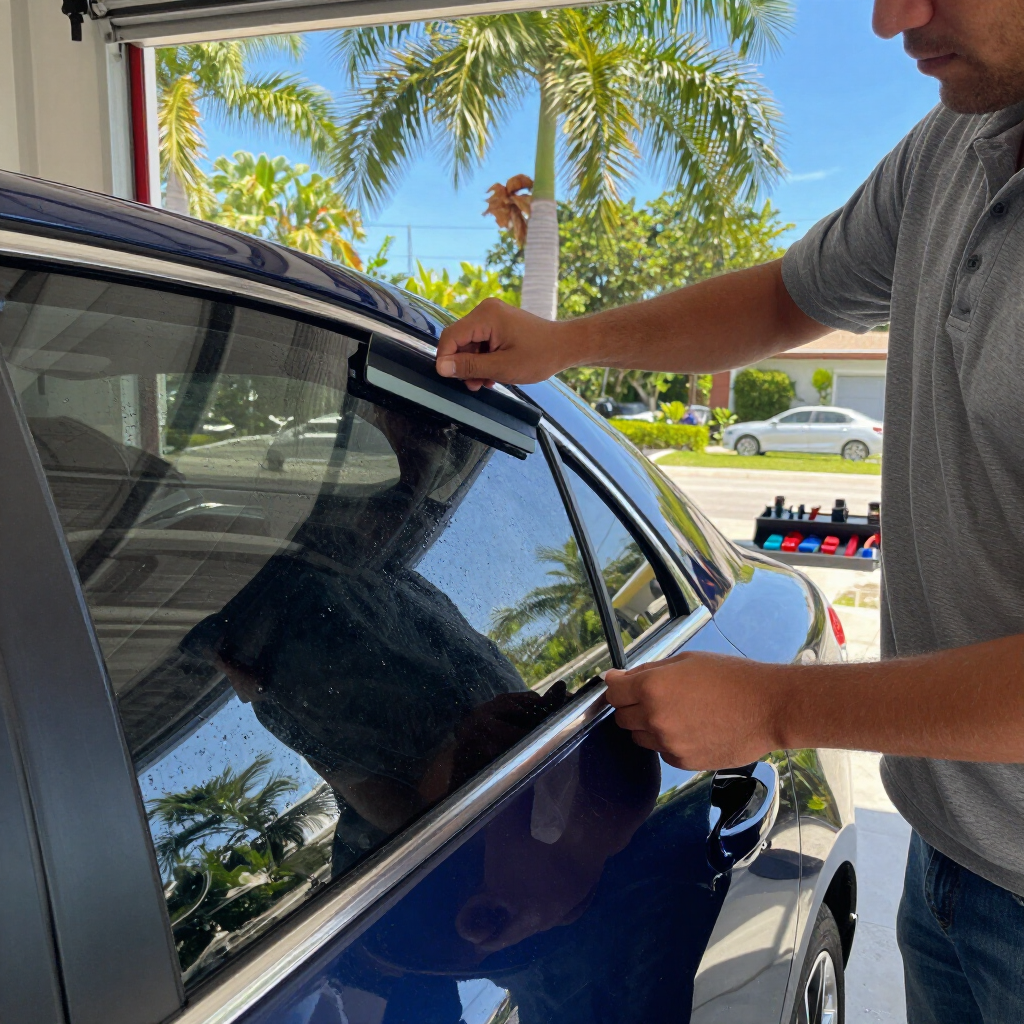
Professional ceramic tint installation can provide improved heat rejection, optical clarity, and long-term performance for drivers seeking an advanced option. In this guide, standard auto tint refers mainly to conventional or entry-level dyed window film, although performance may vary between dyed, carbon, hybrid, and metalized products.
Heat Rejection: Ceramic Tint vs Standard Auto Tint
Miami’s year-round heat is an important consideration when choosing automotive window film. Ceramic tint is designed to reject a significant amount of infrared heat, helping reduce the amount of heat that enters the cabin through the glass. This can make the vehicle interior feel more comfortable during daily commutes, long drives, and periods of direct sun exposure.
Entry-level dyed tint primarily reduces visible light and glare. Although it may provide some heat control, it generally does not offer the same level of infrared heat rejection as ceramic film. Other conventional options, such as carbon or hybrid films, may provide stronger heat rejection than basic dyed tint, but their performance depends on the specific product.
For drivers who spend extended periods in Miami traffic or regularly park outdoors, ceramic tint may provide a more noticeable improvement in cabin comfort. It may also reduce some of the demand placed on the vehicle’s air-conditioning system when maintaining a comfortable temperature.
Visibility and Optical Clarity
Clear visibility is essential for safe and comfortable driving. Ceramic tint is known for maintaining strong optical clarity while providing effective heat rejection. This allows drivers to choose a relatively lighter shade while still benefiting from improved temperature control.
Some entry-level films may need a darker shade to provide the level of glare reduction a driver wants. However, darker film can make nighttime visibility more challenging, particularly on poorly lit roads or during heavy rain.
Ceramic tint can reduce glare from sunlight and reflective surfaces without relying entirely on a very dark appearance. This may provide a clearer and more comfortable view in a range of driving conditions. Regardless of the film selected, drivers should choose a legal shade that supports visibility during both daytime and nighttime driving.
UV Protection Levels
UV protection is another important factor for Miami drivers because vehicles are frequently exposed to strong sunlight. Both ceramic tint and quality conventional window films can block a high percentage of harmful ultraviolet rays. However, the exact level of UV protection depends on the film manufacturer and product specifications.
Ceramic film often stands out because it combines UV protection with stronger infrared heat rejection and optical clarity. By limiting UV exposure, automotive window tint can help protect drivers and passengers while also reducing the effects of sunlight on the vehicle’s interior.
Dashboards, seats, door panels, and upholstery may fade, crack, or deteriorate after prolonged exposure to sunlight. A professionally installed window film can help slow this process and preserve the interior’s appearance for longer.
Signal Interference and Electronics
Modern vehicles rely on electronic systems such as GPS navigation, mobile connectivity, Bluetooth, radio reception, and toll transponders. Ceramic tint is non-metallic, which means it does not normally interfere with electronic signals inside the vehicle.
Some metalized window films may affect GPS, radio, mobile, or toll-transponder performance. However, not every standard film contains metal. Dyed and carbon films generally do not create the same signal-interference concerns.
For drivers who depend heavily on navigation, mobile communication, or other connected vehicle features, ceramic tint provides strong performance without compromising electronic signal reliability.
Durability and Longevity
Durability is another important consideration when comparing ceramic tint vs standard auto tint. Quality ceramic tint is designed to resist fading, discoloration, bubbling, and peeling when properly installed and maintained. Its stable construction makes it well-suited for Miami’s intense sunlight and humid climate.
Entry-level dyed tint may be more susceptible to wear over time, especially when the film or installation quality is poor. Lower-quality dyed films may eventually fade, develop a purple appearance, bubble, or begin peeling around the edges.
However, durability varies between products. Premium carbon, hybrid, and metalized films may also offer reliable long-term performance. Professional installation, film quality, vehicle care, and sun exposure all influence how long a tint installation lasts.
Cost Considerations
Budget is often one of the main factors when choosing between ceramic and conventional window tint. Entry-level standard tint usually has a lower upfront cost, making it suitable for drivers who mainly want privacy, glare reduction, and basic sun control.
Ceramic tint typically costs more because of its advanced construction and enhanced performance. Its benefits may include stronger infrared heat rejection, greater optical clarity, signal compatibility, and improved resistance to fading.
Although ceramic tint requires a higher initial investment, its durability and performance may provide greater long-term value for drivers who plan to keep their vehicle for several years. The right choice depends on whether the driver prioritizes affordability or upgraded comfort and performance.
Which Window Tint Is Right for You?
Every driver has different priorities. Standard auto tint may be suitable for someone who wants an affordable option for privacy, glare reduction, and basic sun control.
Ceramic tint may be a better fit for drivers who prioritize heat rejection, cabin comfort, clear visibility, durability, and uninterrupted electronic signal performance. At World of Auto Tinting, professional ceramic tint installation is available for Miami drivers whose vehicles spend long periods outdoors or are frequently driven in the area’s hot climate.
At World of Auto Tinting, we help Miami drivers compare available film options based on their driving habits, vehicle type, preferred appearance, and budget.
Conclusion
When comparing ceramic tint vs standard auto tint, the best choice depends on your performance expectations and budget. Ceramic tint generally provides stronger infrared heat rejection, excellent optical clarity, reliable signal compatibility, and long-term durability. Standard auto tint remains a practical option for drivers seeking basic privacy, glare reduction, and sun control at a lower upfront cost.
The quality and performance of any window tint can vary by product, so it is important to review the specifications before making a decision. The selected tint shade and placement should also comply with applicable Florida window-tint requirements.
Contact World of Auto Tinting today to explore your options and choose the right automotive window film for your vehicle.
World of Auto Tinting Blog