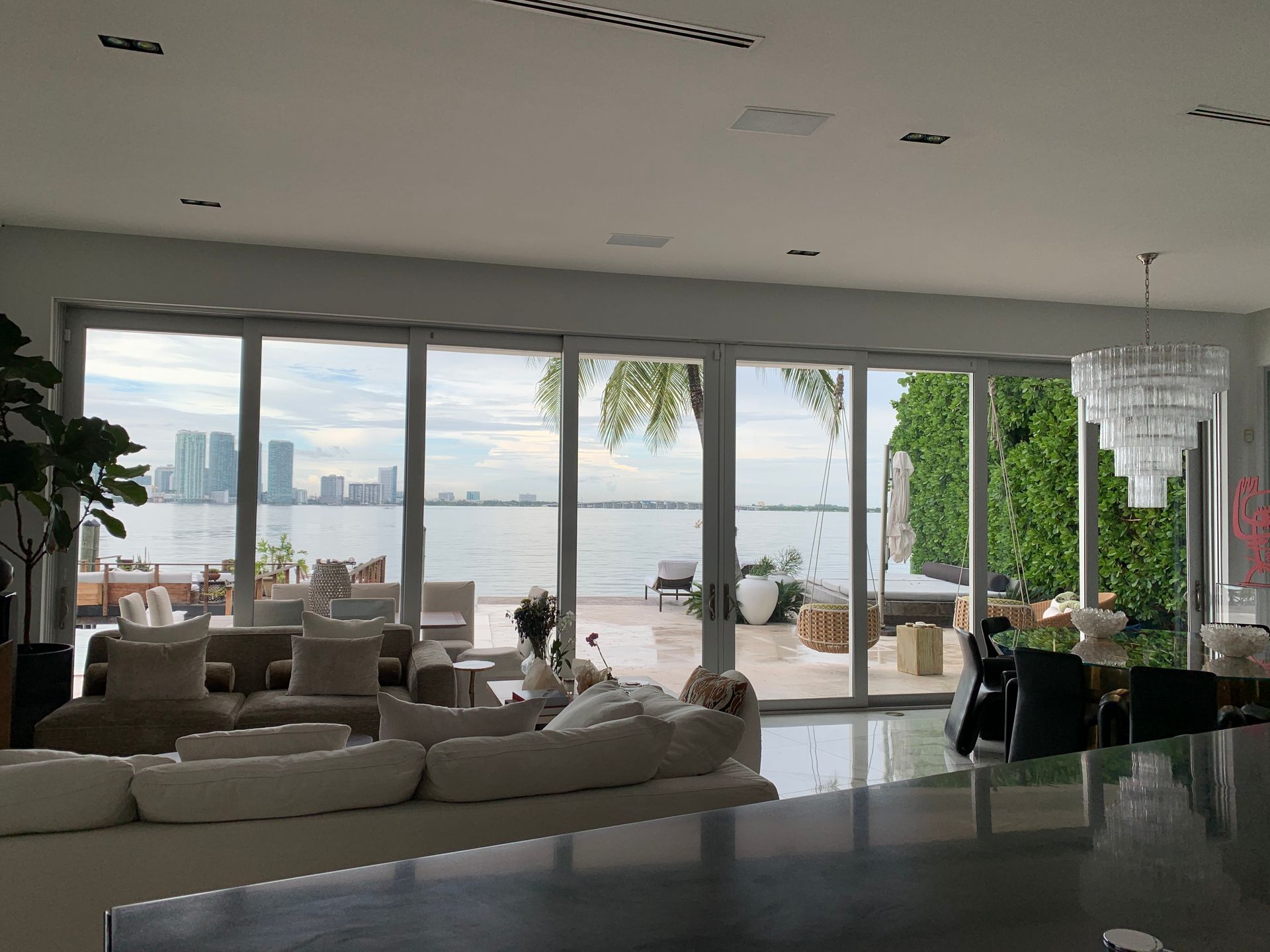

Florida law sets front side windows at 28% VLT. Rear side windows plus back windshield at 15% VLT, enacted in 1991. Windshields allow only a non-reflective tint strip above the manufacturer's line. World of Auto Tinting helps Florida drivers choose compliant, precisely measured film for cars, SUVs, vans, and trucks statewide.
What's the Legal Tint Limit in Florida?
Florida's legal tint limit hinges on Visible Light Transmission, known as VLT , the percentage of light that passes through glass and film combined. Lower VLT numbers mean darker glass. Florida drivers have operated under this VLT-based framework since 1991, when state lawmakers first codified rules for automotive window tinting. That original structure still guides compliance decisions made by vehicle owners across the state today.
Grasping VLT matters because tint darkness affects far more than appearance. Properly applied film shields occupants from harmful UV rays, keeps cabin temperatures manageable during long Florida commutes, and shields upholstery, electronics, and cargo from sun damage. A shop that understands local percentage requirements helps drivers get those benefits without stepping outside legal boundaries.
Benefits of Compliant Window Tint in Florida:
- Reduces UV ray exposure for drivers and passengers
- Improves comfort during hot, sun-heavy driving conditions
- Protects interior belongings and upholstery from sun damage
- Keeps vehicles within state inspection standards
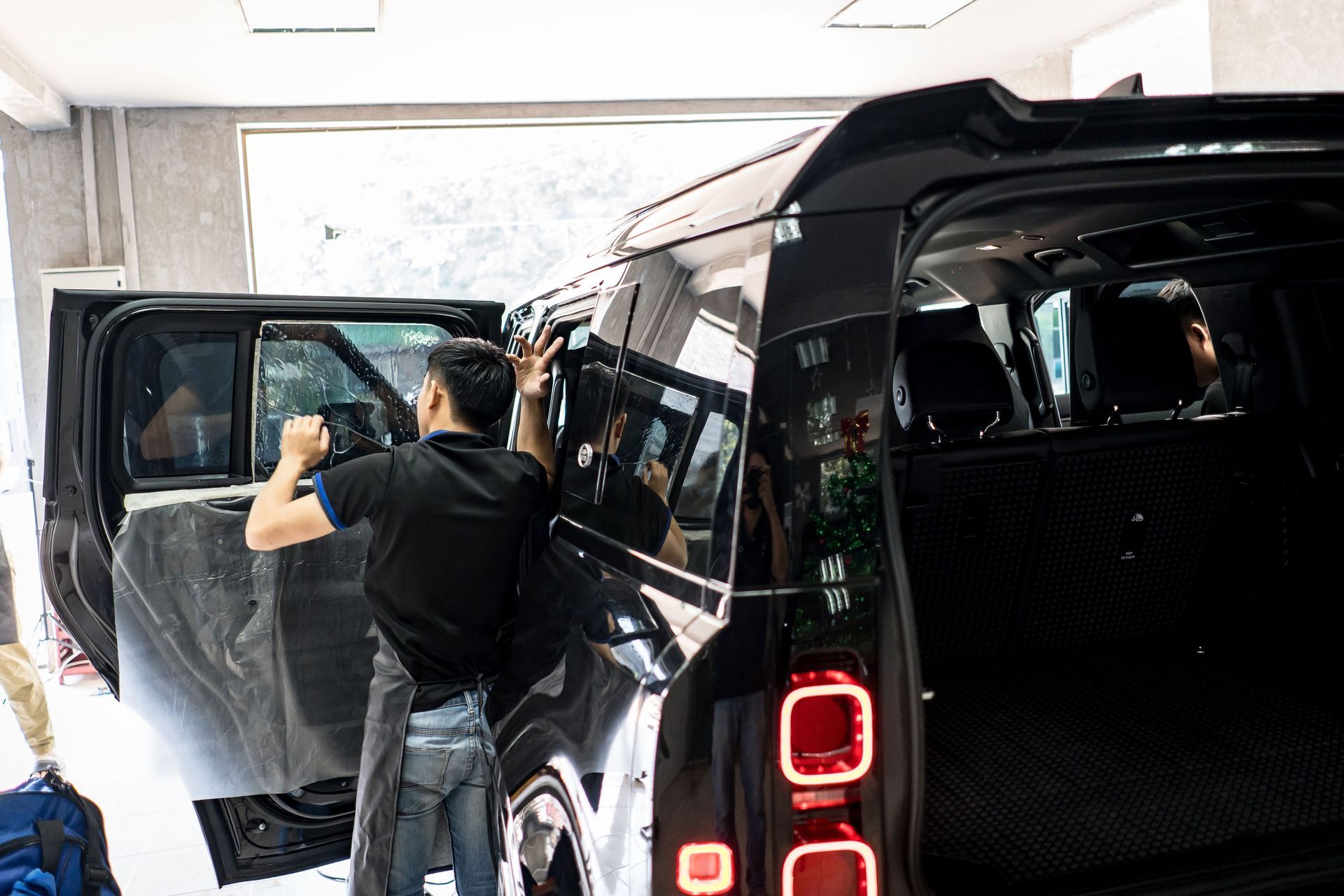

Why Do Tint Rules Differ from State to State?
Florida enforces its own darkness percentages separate from neighboring states. Film legal in Georgia or Alabama may not pass inspection locally. Drivers who install tint based on rules from another state risk citations once back on Florida roads. Confirming Florida-specific percentages before installation avoids that mismatch entirely.
What Happens When Tint Falls Outside Florida's Limit?
Noncompliant tint exposes drivers to fix-it tickets, fines, and repeat traffic stops. Officers also rely on visible eye contact and driver identification, so overly dark film can trigger scrutiny beyond a simple measurement check. Choosing a professional installer familiar with Florida's percentage requirements protects drivers from these repeated compliance headaches.
In Florida, How Dark Can Front and Rear Windows Be?
Florida sets separate darkness limits for front and rear windows on passenger vehicles. Whats the legal tint limit in Florida comes down to a measurement called VLT, visible light transmission, and the front side windows must let in at least 28% of that light. Anything darker than that threshold on the front doors risks a citation from Florida law enforcement.
Rear windows get more flexibility. Back side windows and the rear windshield must allow at least 15% VLT for most passenger cars, trucks, and SUVs. Remember the basic rule: a lower VLT percentage always signals a darker, less transparent film.
Here's how the two zones compare:
| Window Zone | Minimum VLT Allowed |
|---|---|
| Front Side Windows | 28% |
| Back Size Window | 15% |
| Rear Windshield | 15% (most vehicles) |
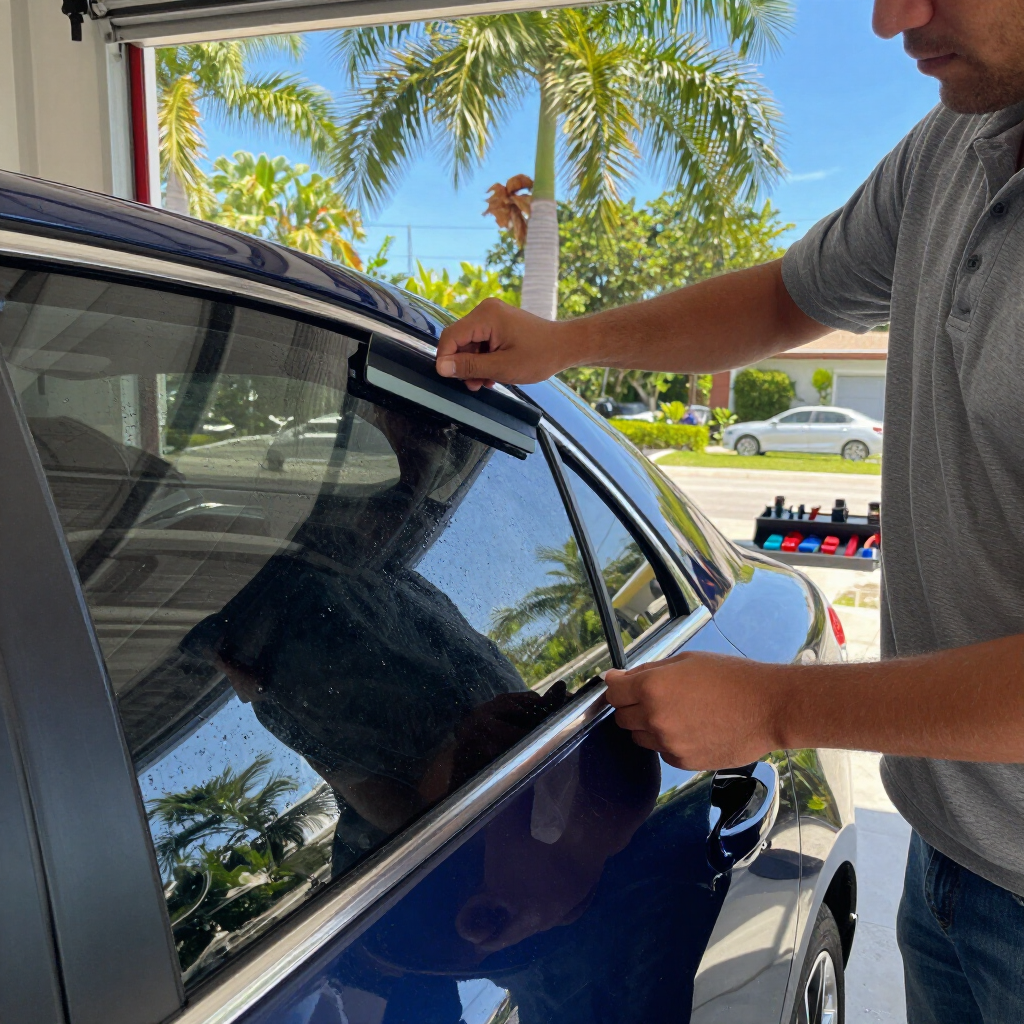
What happens if front tint is darker than 28%?
Front windows tinted below that 28% mark fall outside Florida's legal range. Officers measure VLT with handheld meters during traffic stops. A reading under the threshold typically results in a fix-it ticket or fine. Compliant film keeps drivers road-legal while still cutting glare and heat.
Can rear windows be tinted darker than the front?
Yes, rear windows carry a more forgiving standard than the front doors. Since the 15% minimum applies to both back side windows and the rear windshield, drivers can layer on noticeably darker film behind the B-pillar. That gap gives Florida vehicle owners real design flexibility, letting them shield rear passengers and cargo from sun exposure without touching the stricter front-window limit.
Professional installers serving Florida drivers measure film against both thresholds before installation, ensuring the finished tint job satisfies the 28% front rule and the 15% rear rule at once, protecting the vehicle owner from costly re-dos or citations down the road.
Are There Windshield and Reflectivity Rules Too?
Yes, Florida imposes separate standards for windshields and window shine, beyond simple darkness percentages. Non-reflective tint film belongs only above the manufacturer's AS-1 line, a marking etched near the top of most factory windshields. Anything darker or shinier placed below that line puts a vehicle out of compliance, regardless of how light the rest of the tint reads.
Reflectivity carries its own limit for the front side windows. Florida law caps front side window shine at 25% or less, meaning a mirror-like or chrome finish that bounces excessive light back at oncoming traffic fails inspection even if the legal tint limit in Florida for darkness is otherwise met. Highly reflective film on those front windows creates glare hazards for other drivers sharing Florida's crowded highways and intersections.
Why does reflectivity matter for safety?
Reflective and overly dark film blocks the visual contact drivers depend on. Pedestrians and other motorists need to read a driver's eye contact at crosswalks and four-way stops. Heavy tint interferes with that exchange. Law enforcement officers also rely on clear sightlines to identify who's behind the wheel during a traffic stop, which becomes harder when reflectivity climbs above legal thresholds.
What should Florida drivers check before installation?
- Confirm the windshield film sits above the AS-1 line only
- Verify front side window reflectivity stays at or under 25%
- Ask an installer to measure both darkness and shine before finishing the job
A trusted tint provider serving Florida vehicle owners applies film that respects both rules simultaneously, protecting drivers from costly fix-it citations while keeping visibility intact for everyone on the road.
Do SUVs and Vans Follow Different Limits?
Yes, Florida separates vehicle classes into two categories, and body style changes what's legal. Sedans face stricter rear-window rules than SUVs and vans, since Florida law treats multipurpose vehicles differently from standard passenger cars. Anyone asking what's the legal tint limit in Florida needs to know their vehicle type before choosing a film percentage.
Front side windows stay consistent no matter what a driver owns. Every vehicle registered in Florida, from a compact sedan to a full-size cargo van, must allow at least 28% VLT (visible light transmission) on the front driver and passenger windows. That baseline never shifts.
Rear windows are where the rules split. Sedan owners face tighter restrictions on rear side and back windows. SUV and van owners get more flexibility to go darker.
How much darker can SUV and van tint be?
Multipurpose vehicles, a category that includes SUVs and vans, can drop as low as 6% VLT on rear side and rear windows. That's noticeably darker than what a sedan owner can legally install in the same positions.
Quick comparison:
| Window | Sedans | SUVs/Vans |
|---|---|---|
| Front side windows | 28% VLT minimum | 28% VLT minimum |
| Rear side/back windows | Lighter, more restrictive | As dark as 6% VLT |
Does this mean SUVs get an automatic pass on tint tickets?
Not quite. Front windows still carry the same 28% floor regardless of body style, so law enforcement checks those first. Drivers who assume SUV status covers every window risk a citation on the front glass even while staying compliant in the back.
How Do Florida Drivers Stay Compliant?
Florida drivers stay compliant by knowing exact tint percentages before a film ever touches their glass and choosing an installer who applies those limits correctly. Whats the legal tint limit in florida varies by window position and vehicle type. Guesswork leads straight to a citation. Staying current with these rules protects more than a wallet. It safeguards comfort and legal peace of mind for every trip across the state.
Florida's relentless sun and growing enforcement presence raise the stakes further. Fines pile up quickly for out-of-spec tint, and unprotected interiors fade faster under year-round heat. Compliant film addresses both problems at once, cutting glare while keeping installations lawful.
Is window tint just about looks in Florida?
No, tint serves a functional purpose beyond style for Florida drivers. It reduces cabin heat, blocks harsh glare, and shields interior surfaces from constant sun exposure. Treating it purely as a cosmetic choice ignores the comfort and protection it actually delivers.
How does a professional installer help with compliance?
An experienced installer trained in premium film products applies the correct shade on the first attempt, avoiding costly redos. Precision installation work matters just as much as film selection.
- Verify tint percentages match Florida's window-specific limits before installation
- Select premium film rated for Florida's heat and UV intensity
- Rely on precision application to avoid bubbling, uneven edges, or reinstallation costs
Conclusion
In closing, Florida's window tint regulations strike a balance between driver safety and personal preference, with specific limits applied to each window type to ensure visibility while allowing some customization. Understanding these legal requirements protects drivers from citations and fines while maintaining the safety standards that law enforcement and legislators established. Compliance remains straightforward for those who verify their tint darkness before installation, making it easy to enjoy the benefits of window tinting without legal consequences.
World of Auto Tinting Blog