
How Residential Window Tinting Helps Reduce Harsh Reflections
August 20, 2026
Miami homeowners know how quickly a bright, sunny day can become a source of frustration indoors. Sunlight reflecting off glass doors, glossy floors, countertops, and screens can create distracting glare that makes it harder to relax, work, or enjoy certain rooms comfortably. At World of Auto Tinting, we help homeowners in Miami, FL find practical window film solutions that can reduce intense glare while maintaining the level of natural light they want in their homes. Residential window tinting for glare reduction can help create a more comfortable indoor environment without completely blocking the daylight that makes a home feel bright and open.
Why Sunlight Creates Harsh Reflections Indoors
Miami's abundant sunshine is one of the reasons people enjoy living in the area, but strong sunlight can also contribute to uncomfortable glare inside the home. When direct sunlight reaches reflective surfaces such as glass tabletops, polished floors, mirrors, countertops, or glossy furniture, some of that light reflects back into the room. These bright reflections can create uncomfortable viewing conditions, particularly when they fall across televisions, computer monitors, or areas where people regularly sit and work.
The amount of glare can also change throughout the day as the sun moves across the sky. A room may feel comfortable in the morning but become noticeably brighter later in the day when sunlight reaches the windows at a different angle. Homes with large windows and sliding glass doors may experience more noticeable glare because they allow substantial amounts of sunlight into the interior.
How Window Placement Affects Glare Levels
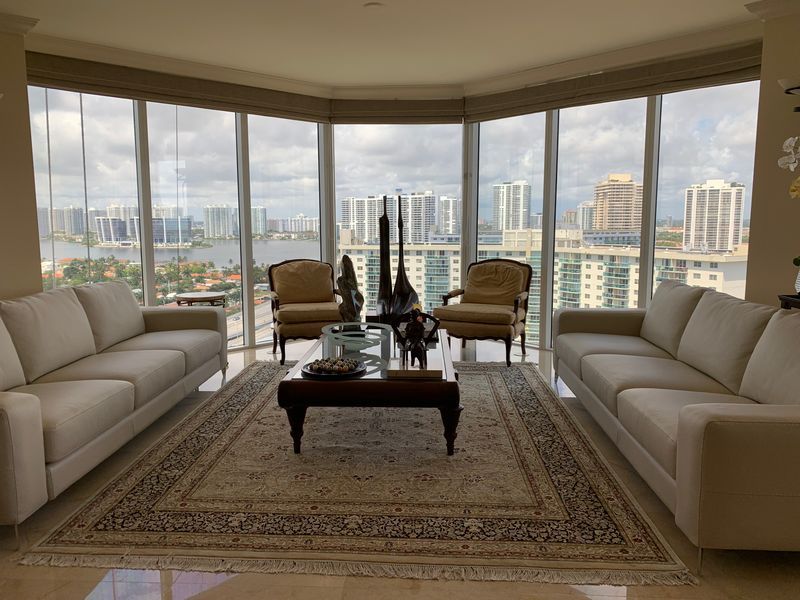
Window size, orientation, surrounding structures, and the amount of direct sunlight entering a room all influence glare levels. Large glass features can allow more sunlight into living rooms, kitchens, dining areas, and home offices, increasing the likelihood of bright reflections.
West-facing windows can be especially noticeable during the afternoon when direct sunlight enters the home. However, glare can occur with windows facing different directions depending on the home's layout, the season, and surrounding conditions. Identifying where and when glare occurs can help determine which windows would benefit most from a residential window tinting solution.
The Everyday Impact of Glare in the Home
Glare is more than a minor inconvenience. It can affect how homeowners use different areas of their homes throughout the day. One common issue is difficulty viewing televisions and computer screens when sunlight falls directly across them. Whether you are watching television in the living room or working from a home office, excessive brightness can make screens harder to see and may cause you to adjust your seating, blinds, or curtains.
Bright reflections can also make everyday activities less comfortable. Reading, preparing meals, working at a desk, or spending time near large windows may become less enjoyable when intense sunlight is constantly entering the room.
This is where residential window tinting for glare reduction can provide a practical option for homeowners who want better control over the amount of intense sunlight entering their living spaces.
How Residential Window Tinting Reduces Glare
Residential window tinting helps manage the amount of sunlight that passes through your windows. Depending on the film selected, window film can reduce the intensity of incoming visible light and help limit distracting glare before it reaches screens, reflective surfaces, and occupants inside the home.
Reducing the intensity of incoming sunlight can make televisions and computer screens easier to view while helping create a more comfortable environment around bright windows. The amount of glare reduction will vary depending on the type of film, its visible light transmission, the window's orientation, and the amount of direct sunlight entering the room.
At World of Auto Tinting, homeowners can choose from residential window film options designed for different needs, including solar, reflective, private, decorative, and security and safety films.
Maintaining Natural Light While Reducing Glare
Reducing glare does not necessarily mean making a room dark. The right window film can help control excessive sunlight while allowing homeowners to maintain a bright and open indoor environment.
The ideal film depends on how much natural light you want to keep, how much glare you are experiencing, and the overall goals for each room. A professional assessment can help determine which film is appropriate for the home's windows and the homeowner's preferences.
Where Glare Reduction Can Make the Biggest Difference
Some areas of the home may benefit more noticeably from residential window tinting for glare reduction, particularly rooms that combine large windows with screens or reflective surfaces.
Home offices are one example. Consistent screen visibility is important when working from home, and excessive sunlight can make computer monitors more difficult to view. A professional residential window tinting installation can help reduce intense incoming light and create a more comfortable workspace without completely blocking natural daylight.
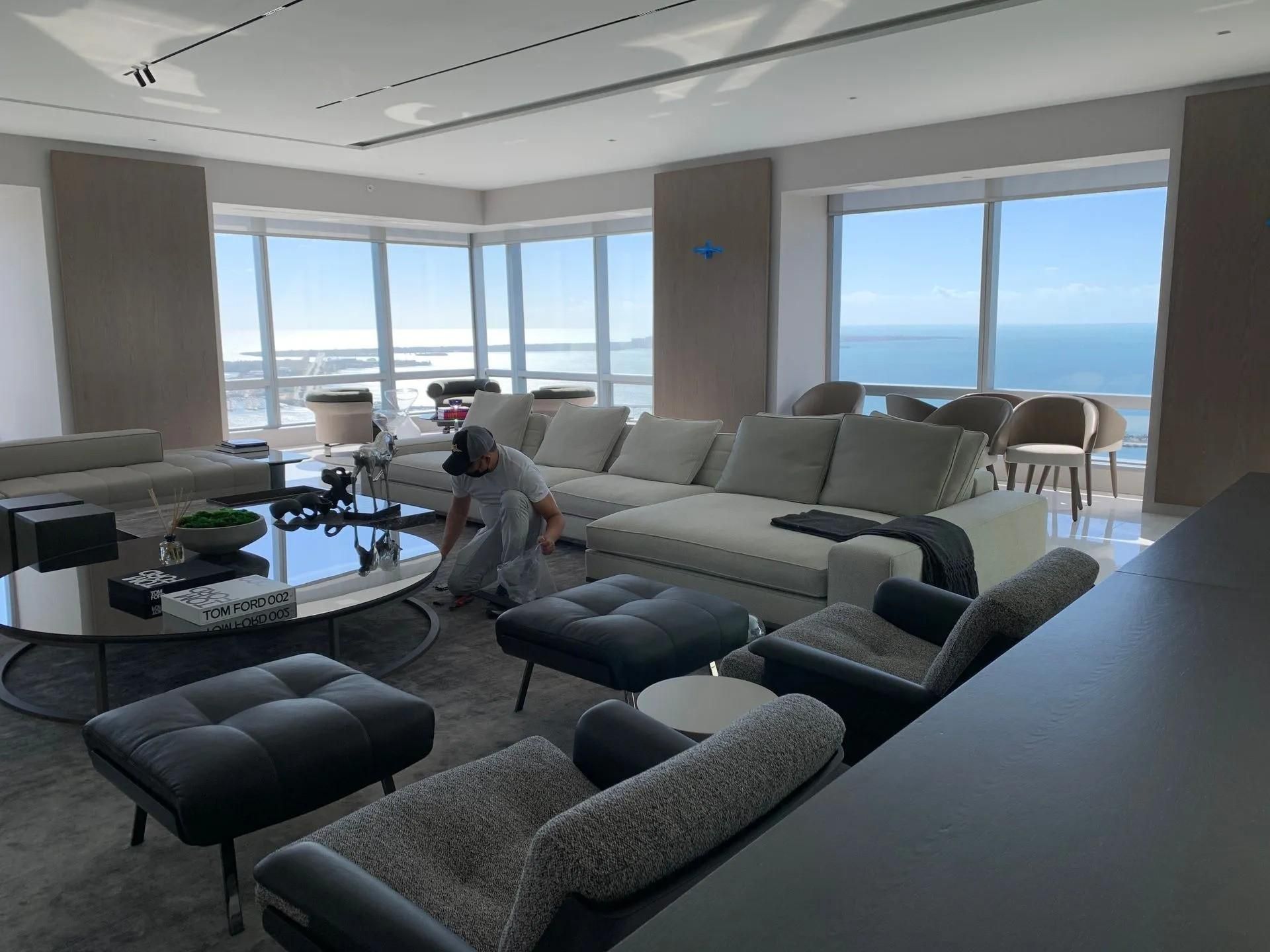
Living rooms and media rooms can also benefit, especially when televisions are positioned near large windows or sliding glass doors. Kitchens and dining areas may experience glare from glass tables, countertops, and other reflective surfaces when strong sunlight enters the room.
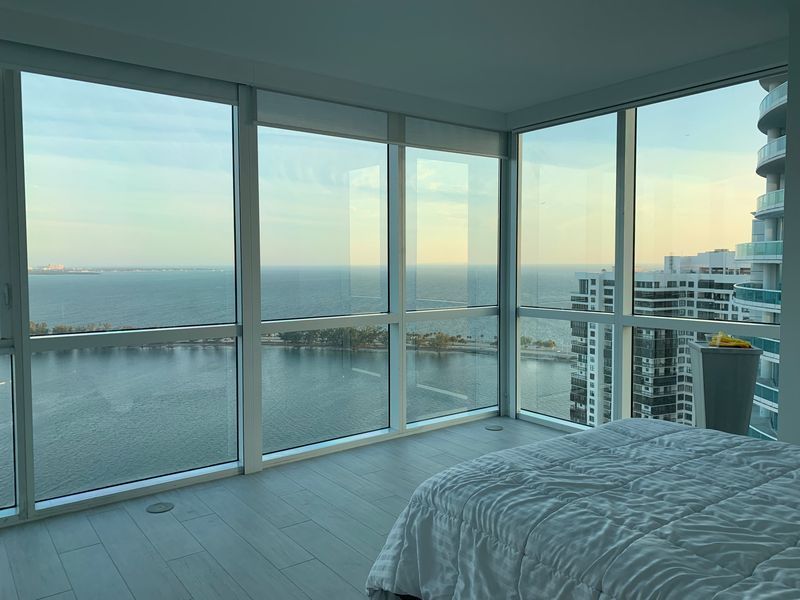
Homes with floor-to-ceiling windows or expansive glass doors may also benefit from window film because these features can allow substantial sunlight into interior spaces.
West-Facing Rooms and Afternoon Glare
West-facing rooms can experience particularly strong afternoon sunlight, which may create noticeable glare on screens and reflective surfaces. However, the amount of glare depends on the home's specific window placement, surrounding environment, and seasonal sun position.
A professional evaluation can help identify which windows receive the most direct sunlight and whether residential window tinting could help address the problem.
Added Comfort Beyond Glare Control
Although glare reduction may be the primary reason a homeowner considers window tinting, the benefits can extend to overall indoor comfort. Reducing intense sunlight can make it less necessary to constantly adjust blinds or curtains during periods of strong sun exposure.
Residential window film can also help reduce solar heat entering through windows. World of Auto Tinting offers solar window tinting designed to reduce heat gain, along with other film options that can provide additional benefits such as UV protection, privacy, security, or decorative improvements.
For Miami homeowners, managing intense sunlight can make rooms more comfortable while allowing them to continue enjoying natural daylight.
Choosing the Right Tint for Glare Reduction
Every home has a different layout, window orientation, and level of sun exposure. Because of this, the right approach to glare reduction can vary from one property to another.
Factors such as window direction, window size, interior furnishings, screen placement, desired natural light levels, and the amount of glare a room receives can all influence the appropriate film choice. The film's visible light transmission also affects how much light enters the room.
World of Auto Tinting offers several residential window film options, including solar, reflective, private, decorative, and security and safety films. This range allows homeowners to consider their specific goals when selecting a solution.
Rather than choosing a generic solution, homeowners can discuss their glare concerns with a professional and determine which film best suits their windows and preferences.
Final Thoughts
Harsh reflections and glare can be a frustrating part of living in a bright, sunny area like Miami. From difficulty viewing television and computer screens to bright reflections across kitchen counters and glass surfaces, excessive sunlight can affect how comfortably homeowners use their living spaces.
Residential window tinting for glare reduction offers a practical way to manage intense sunlight while maintaining the natural light homeowners want. The right film can also provide additional benefits depending on the product selected, including solar heat control, UV protection, privacy, security, or decorative improvements.
If glare has been making certain rooms in your home difficult to enjoy, World of Auto Tinting can help you explore residential window film options suited to your needs. Contact World of Auto Tinting today to
schedule a consultation and take the next step toward a more comfortable home.
World of Auto Tinting Blog