What Causes Automotive Window Tint to Fade Over Time
September 28, 2026
Miami, FL, is known for strong sunlight and high temperatures, both of which can affect automotive window tint over time. Drivers may eventually notice that tint that once looked dark and consistent begins to appear lighter, discolored, uneven, or less clear.
At World of Auto Tinting, we understand how local conditions can affect window film. Sunlight, heat, ultraviolet radiation, film quality, installation, cleaning habits, and normal aging can all influence tint appearance. Understanding these factors can help Miami drivers recognize when their existing film may need attention.
Heat Buildup and Thermal Stress
Heat also plays an important role in the aging of automotive window film. Vehicles parked in direct Miami sunlight can experience significant temperature increases around the glass.
Window tint goes through repeated heating and cooling cycles. The film may become very warm during the day and cool again later in the evening, in shade, or when the vehicle's air conditioning is running. Over time, these changes can place thermal stress on both the film and its adhesive.
Depending on film quality and age, repeated heat exposure may contribute to discoloration, reduced clarity, or an uneven appearance. Film designed for long-term performance is generally better suited to handling demanding temperature conditions.
Ultraviolet Radiation
Ultraviolet radiation is another factor that can contribute to automotive window tint fading. Although UV rays are invisible, prolonged exposure can gradually affect some materials used in window film.
As film ages, UV exposure may contribute to changes in color and overall appearance. Some tint may become lighter, while other film may develop noticeable color changes as its materials deteriorate.
Premium and ceramic window tint options are designed to provide strong UV protection while supporting long-term clarity and appearance. For Miami drivers who regularly park or drive in direct sunlight, selecting film with dependable UV performance can be an important consideration.
Film Quality and Type
The quality and construction of window film have a major influence on how well it maintains its appearance. Different types of automotive window tint use different materials and manufacturing methods, which can affect durability.
Some lower-grade dyed films may experience discoloration or fading sooner than higher-quality products. Older or inexpensive films can sometimes develop a purple or washed-out appearance as their dyes change with age and exposure.
Higher-grade carbon and ceramic films are made with more stable materials that can provide better resistance to fading and noticeable color changes. This can be especially important in a sunny climate such as Miami.
At World of Auto Tinting, helping drivers choose the appropriate type of film can reduce the likelihood of needing an early replacement because of premature fading.
Cleaning Habits and Everyday Care
The way window tint is cleaned can also affect how it looks over time. Automotive window film is installed on the inside surface of the glass, so regular interior cleaning brings the film into contact with cleaning products and towels.
Harsh products, abrasive materials, or aggressive scrubbing can make older film look worn more quickly. If tint is already aging, improper cleaning may further affect its surface appearance.
Using suitable cleaning methods and avoiding unnecessary abrasion can help maintain a cleaner, more consistent look. Proper care cannot prevent normal aging, but it can help reduce avoidable wear.
Normal Aging and Everyday Wear
Even quality window film naturally ages. Years of sunlight, heat, UV exposure, cleaning, and everyday vehicle use can gradually change its appearance.
As tint becomes older, its color may become slightly lighter, and its clarity may decrease. These changes usually develop slowly. One side of a vehicle may show more visible change if it receives more direct sunlight.
Higher-quality film may maintain its appearance longer and age more evenly than lower-grade alternatives. When noticeable fading or discoloration develops, checking the overall condition of the film can help determine whether replacement should be considered.
Poor Installation and Long-Term Performance
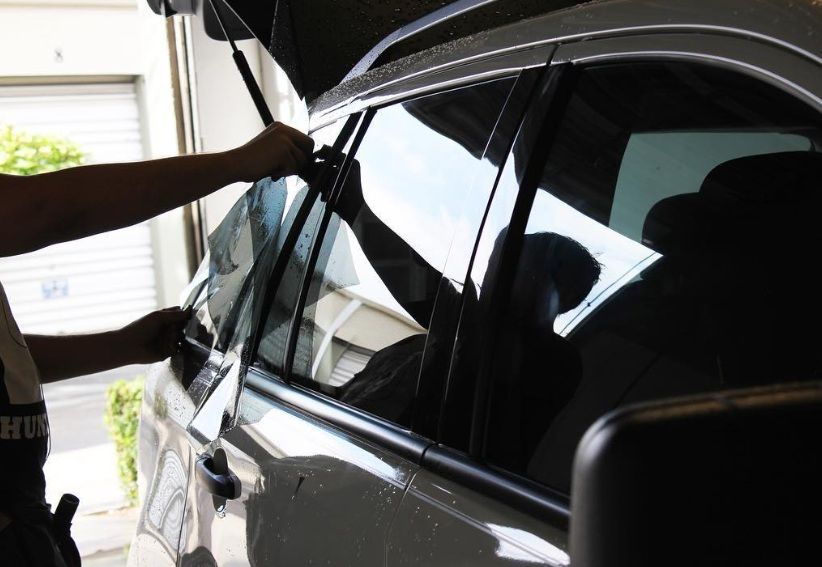
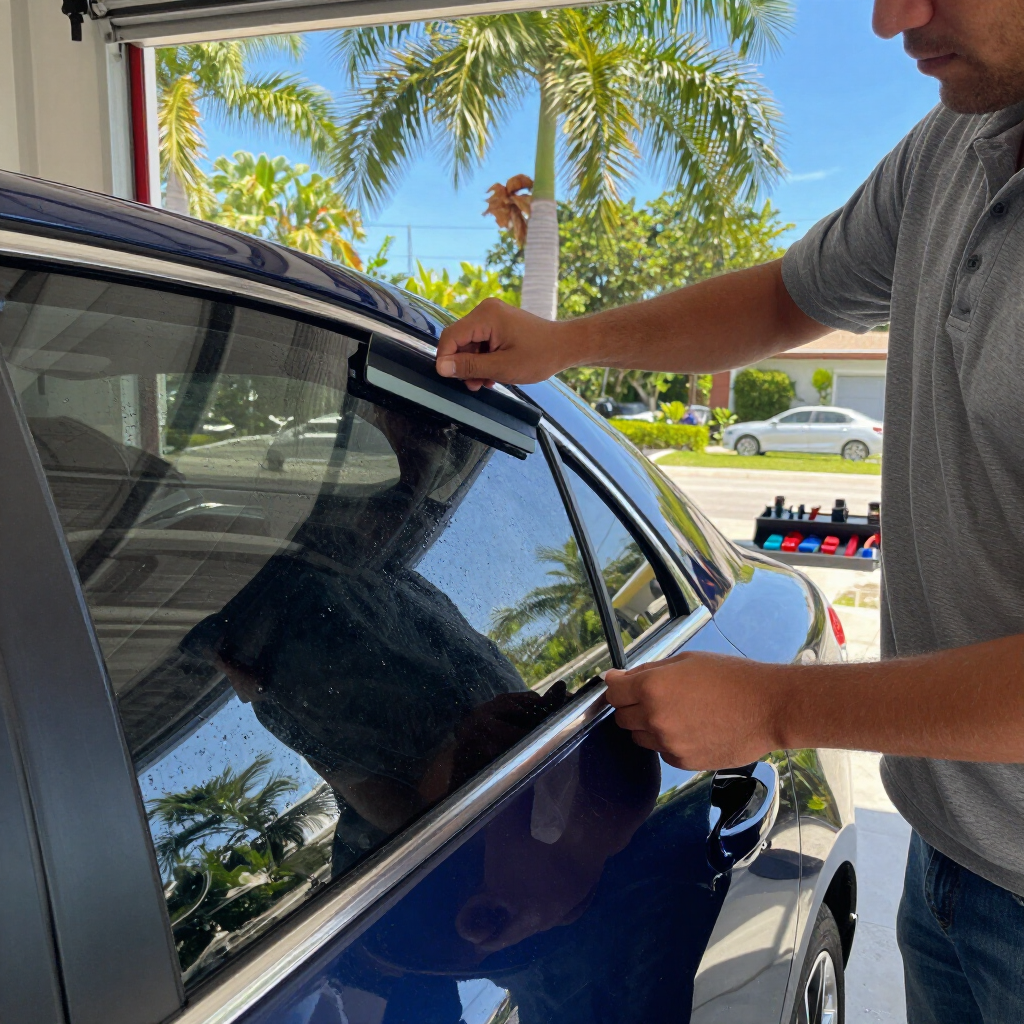
The way window tint is installed can also affect how well it performs over time. Proper installation helps ensure the film sits evenly against the glass and creates a clean, consistent finished appearance.
Poorly installed film may develop uneven edges, bubbles, trapped moisture, lifting, or areas where the film does not properly adhere. These issues are not always the same as fading, but they can make tint look worn sooner.
Professional installation helps the film perform according to its intended design. The Miami car window tinting team at World of Auto Tinting focuses on accurate application and even coverage to support a clean, consistent result.
Signs That Automotive Window Tint Is Fading
Fading can appear in several ways. The tint may look lighter than when it was installed, the color may become uneven, or the film may take on a purple, brown, or washed-out appearance.
Drivers may also notice that some windows look different from others. Uneven sunlight exposure, film age, and material quality can all influence how visible these differences become.
Fading should also be distinguished from other film problems. Bubbles, peeling edges, haziness, or adhesive failure may indicate aging or installation issues rather than simple color fading. Evaluating the entire film can help determine whether the problem is mainly cosmetic or whether replacement should be considered.
How Quality Film and Installation Can Reduce Fading
Several factors influence how quickly automotive window tint fades, but film quality and installation are two areas drivers can control from the beginning.
Carbon and ceramic window tinting options are designed to withstand regular exposure to sunlight, heat, and UV radiation while maintaining a more stable appearance for longer periods. When quality film is paired with professional installation, it can provide more consistent performance and reduce the likelihood of premature discoloration.
Choosing film appropriate for Miami's climate can make a meaningful difference in how the tint looks and performs as it ages. Proper installation and reasonable care can further support long-term results.
When Tint Replacement May Be Needed
Not every small change in window tint means immediate replacement is necessary. However, replacement may be worth considering when the film has clearly faded, developed uneven color, become difficult to see through, or started showing other signs of deterioration.
Replacing older tint can restore a cleaner, more uniform appearance and gives drivers an opportunity to choose a film designed for stronger long-term performance. An experienced installer can also evaluate whether the visible issue is fading, adhesive failure, physical damage, or normal aging.
Protect Your Tint With World of Auto Tinting
Sun exposure, high temperatures, UV radiation, film quality, installation, cleaning habits, and normal aging can all contribute to automotive window tint fading. These factors are especially important for vehicles regularly exposed to Miami's sunny and warm climate.
Choosing quality window film and professional installation can help slow premature fading while supporting longer-lasting clarity and appearance. Proper care can also help reduce unnecessary wear.
If your existing tint has started to fade, discolor, or lose its original look,
call World of Auto Tinting today to explore automotive window tint options suited for Miami driving conditions.
World of Auto Tinting Blog