Why Does Newly Installed Car Window Tint Look Hazy?
October 15, 2026
After a professional automotive window tint installation, we understand that a clear, smooth appearance is an important part of the expected result. However, newly installed car window tint may initially look hazy, cloudy, or slightly foggy. This temporary appearance can raise questions about whether the film has settled correctly or whether something went wrong during installation.
At World of Auto Tinting in Miami, FL, we believe understanding the curing process helps explain these early changes. During installation, a small amount of moisture may remain between the window film and glass. As this moisture gradually evaporates, the film becomes clearer and settles against the window surface.
Temperature, humidity, and weather conditions can influence how quickly this happens. Although temporary haze is often normal, some visible changes may require attention. Understanding the difference helps establish realistic expectations for newly installed car window tint and its final appearance.
Why Does Newly Installed Car Window Tint Appear Cloudy?
A cloudy appearance immediately after installation does not necessarily indicate a problem with the film. We recognize that the application process involves moisture, careful positioning, and time for the film to settle. These factors can temporarily affect visibility through the glass.
Moisture Trapped Between the Film and Glass
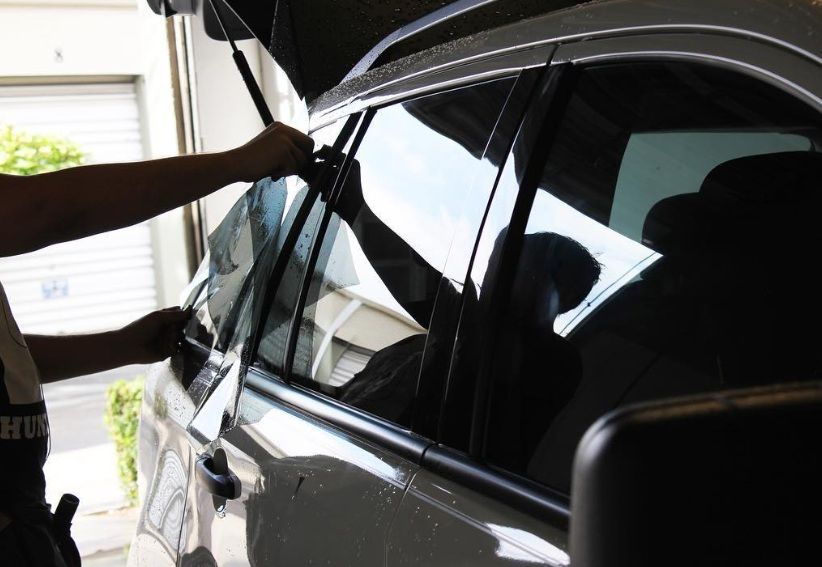
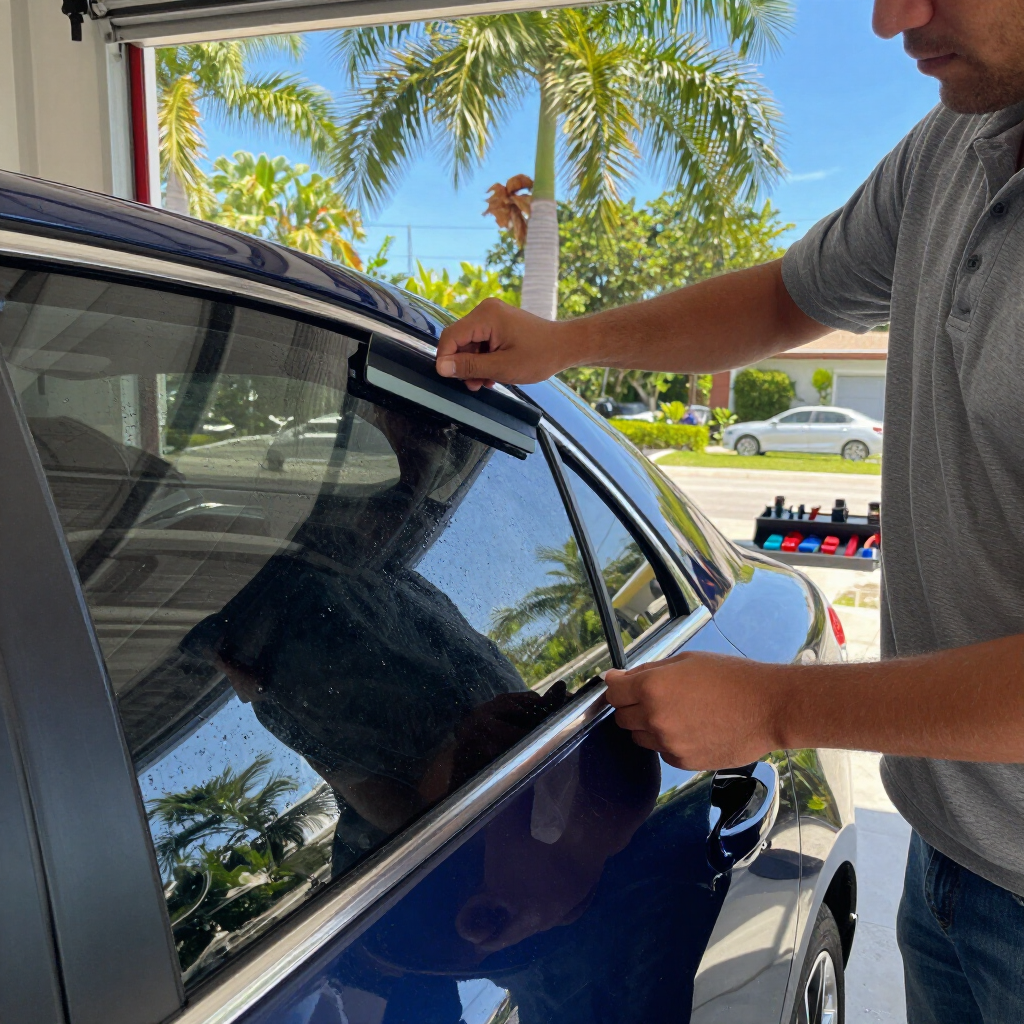
During automotive window tint installation, we use an application solution to position the film correctly against the glass. Although much of this solution is removed during installation, a small amount of moisture can remain beneath the film.
This remaining moisture may create a cloudy, milky, or slightly distorted appearance when light passes through the window. Depending on its distribution, certain areas may appear hazier than others.
We understand that these visible changes can be concerning immediately after installation. However, moisture beneath the film often dissipates naturally as drying continues. The important distinction is whether the cloudy appearance gradually improves or remains unchanged beyond the expected curing period.
How the Film Settles During the Curing Process
The curing process allows the installed film to achieve a more settled appearance as remaining moisture gradually escapes. During this period, temporary visual irregularities may become less noticeable.
As remaining moisture evaporates, the adhesive continues to set, allowing the film to settle more evenly against the glass. This gradual change contributes to improved clarity and a smoother appearance.
How Long Does Hazy Car Window Tint Take to Clear?
One of the most important aspects of newly installed car window tint is understanding that drying time can vary. We do not treat every installation as having an identical curing period because environmental conditions and film characteristics can influence the process.
What to Expect During the First Few Days
During the initial days following installation, some haze may remain visible as moisture continues evaporating. The cloudy appearance may gradually become lighter, with certain areas clearing before others.
We generally consider steady improvement an encouraging indication that the film is progressing through its normal curing process. Minor moisture patterns may also become less noticeable as the film settles.
Why Complete Curing May Take Longer
Complete curing does not always occur within the same timeframe for every vehicle. Depending on installation conditions, film characteristics, and the surrounding environment, complete curing may take several days or extend over several weeks.
We recognize that some windows may clear sooner than others, even when they receive film during the same appointment. Differences in sunlight exposure and moisture evaporation can contribute to these variations.
Rather than assuming that a temporary cloudy appearance indicates failure, we recommend considering whether clarity continues improving. If haze persists beyond the anticipated curing period, a professional inspection can help determine whether additional attention is needed.
What Factors Affect Window Tint Drying and Clarity?
Environmental conditions can influence how newly installed car window tint looks during curing. In Miami, FL, we recognize that warm temperatures, humidity, and changing weather conditions may affect how quickly remaining installation moisture dissipates.
Temperature and Sunlight Exposure
Temperature influences the rate at which moisture evaporates beneath automotive window film. Warmer conditions may encourage faster drying, while cooler temperatures can extend the process.
Sunlight exposure may also contribute to differences in curing between individual windows. A window receiving more warmth may become clearer before another window on the same vehicle.
We understand that these differences can occur during normal curing. However, we do not recommend attempting to accelerate the process with excessive external heat. Allowing the film to settle naturally helps avoid unnecessary interference with the installation.
Humidity and Rainy Weather
Humidity is another important factor affecting window tint drying time. When surrounding air contains higher levels of moisture, evaporation may occur more slowly.
In Miami, FL, humid conditions and periods of rainy weather can influence how quickly newly installed film reaches its final appearance. Even when installation is completed properly, remaining moisture may take additional time to dissipate.
Film Type and Installation Conditions
Different automotive window films may respond differently during curing. Film construction, the amount of remaining application moisture, and installation conditions can all affect drying.
At World of Auto Tinting, we offer professional automotive window tinting using premium SunTek window films. Our installation approach focuses on careful application and a consistent finish.
How Should You Care for Newly Installed Car Window Tint?
Proper aftercare is important while automotive window film continues curing. We encourage careful treatment during the initial drying period because unnecessary handling may interfere with the film before it has settled completely.
Avoid Rolling Down Windows Too Soon
Operating vehicle windows immediately after installation may disturb film that has not fully settled against the glass.
We recommend following the specific waiting period provided during installation before lowering tinted windows. This allows the adhesive bond additional time to stabilize and reduces unnecessary movement along the film edges.
Because curing conditions vary, we prefer following installation-specific guidance rather than assuming every vehicle requires exactly the same waiting period. Careful handling during this stage supports the intended appearance.
Wait Before Cleaning the Tinted Glass
Cleaning the interior glass too soon may place unnecessary pressure on newly installed film. Rubbing, wiping, or pressing against the surface before sufficient curing can interfere with the settling process.
We recommend waiting until the advised cleaning period has passed before cleaning tinted windows. Once cleaning is appropriate, using suitable materials and gentle methods helps maintain the film's appearance.
Allow the Film to Cure Naturally
Temporary moisture patterns can make newly installed car window tint appear uneven. Although these areas may attract attention, attempting to flatten or remove them manually can create additional problems.
We recommend avoiding pressure on visible moisture spots, pulling at film edges, or attempting adjustments without professional guidance.
Allowing natural evaporation to continue is generally the appropriate approach when the haze is consistent with normal curing. If an area appears unusual or stops improving, our team can help assess the concern.
When Is Hazy Window Tint a Sign of a Problem?
Although temporary cloudiness is often part of curing, we recognize that not every visible irregularity should be attributed to moisture. Understanding when haze requires professional attention is important for evaluating the finished installation.
Haze That Does Not Improve After Curing
Normal moisture-related haze should generally become less noticeable as drying progresses. When cloudiness remains unchanged or becomes more pronounced beyond the expected curing period, further evaluation may be necessary.
We recommend considering the overall progression rather than judging the film immediately after installation. Persistent haze may indicate that the appearance is not simply related to remaining installation moisture.
Bubbles, Peeling Edges, and Visible Contamination
Some temporary moisture pockets may resemble bubbles during the early curing stage. However, persistent air pockets, lifting edges, or visible debris beneath the film can indicate conditions different from normal moisture evaporation.
Peeling edges or contamination beneath the film generally require closer examination rather than continued attempts to smooth the surface manually.
When to Contact a Professional Tint Installer
We recommend professional assistance when haze persists beyond the anticipated curing period, film edges begin lifting, or visible defects remain unchanged.
Rather than attempting removal or adjustments independently, we encourage an inspection to identify the concern and determine the appropriate next step.
Get Professional Automotive Window Tinting in Miami, FL
Newly installed car window tint may appear hazy because moisture remains between the film and glass after application. We recognize that this temporary appearance is often part of normal drying and curing. As moisture evaporates, clarity typically improves, allowing the film to achieve a smoother, more consistent finish.
Temperature, humidity, sunlight exposure, and installation conditions can influence how quickly this improvement occurs. Proper aftercare and patience are important while the film settles. When haze persists or unusual defects remain visible, professional evaluation helps determine whether corrective attention is necessary.
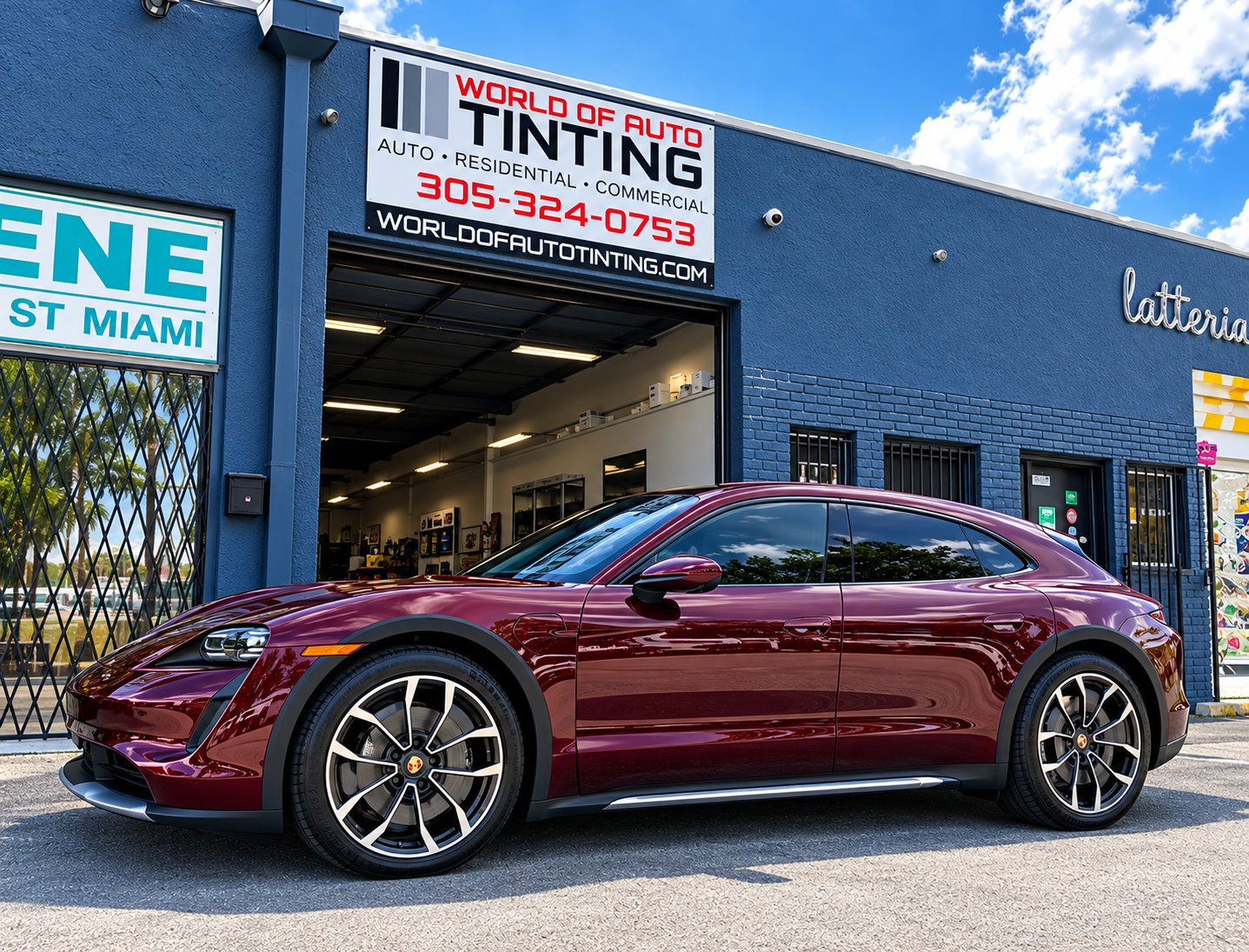
At World of Auto Tinting, we provide professional automotive window tinting in Miami, FL, using premium SunTek films and experienced installation techniques. Our team focuses on quality workmanship, careful application, and clear communication throughout the service experience.
For questions about automotive window tint installation, curing expectations, or available film options,
contact World of Auto Tinting
today. We are ready to discuss our services, provide a quote, and help schedule an automotive window tinting appointment in Miami, FL.
World of Auto Tinting Blog