
Why Residential Window Tinting Is a Low-Maintenance Home Upgrade
August 27, 2026
Between work, family, and everything else that fills a homeowner's schedule in Miami, FL, the last thing anyone wants is a home upgrade that adds another task to their routine. Many improvements require regular cleaning, seasonal adjustments, or repeated attention to maintain their appearance or performance. Residential window tinting offers a different approach by providing ongoing comfort and protection with relatively little day-to-day effort after installation. At World of Auto Tinting, we help homeowners in Miami explore window film solutions designed to improve comfort, reduce glare, manage heat, and protect interior spaces. This article explains why residential window tinting can be a convenient, low-maintenance upgrade for a busy household.
The Appeal of a Home Upgrade That Requires Minimal Upkeep
Homeowners often look for improvements that fit into their routines without demanding constant attention. This is one reason residential window tinting can be an appealing option for busy households.
Why Homeowners Look for Low-Effort Improvements
Busy schedules leave little room for home upgrades that require frequent maintenance. Landscaping, repainting, and other improvements often need regular care to maintain their appearance or effectiveness. Properly installed residential window film provides ongoing benefits without requiring homeowners to make frequent adjustments throughout the day.
Once the film is installed, homeowners do not need to continually adjust it like blinds or curtains. Instead, it remains in place while helping manage sunlight entering through the windows. For homeowners with demanding schedules, this can make window tinting a convenient improvement that requires relatively little ongoing attention.
How Residential Window Tinting Supports Everyday Comfort
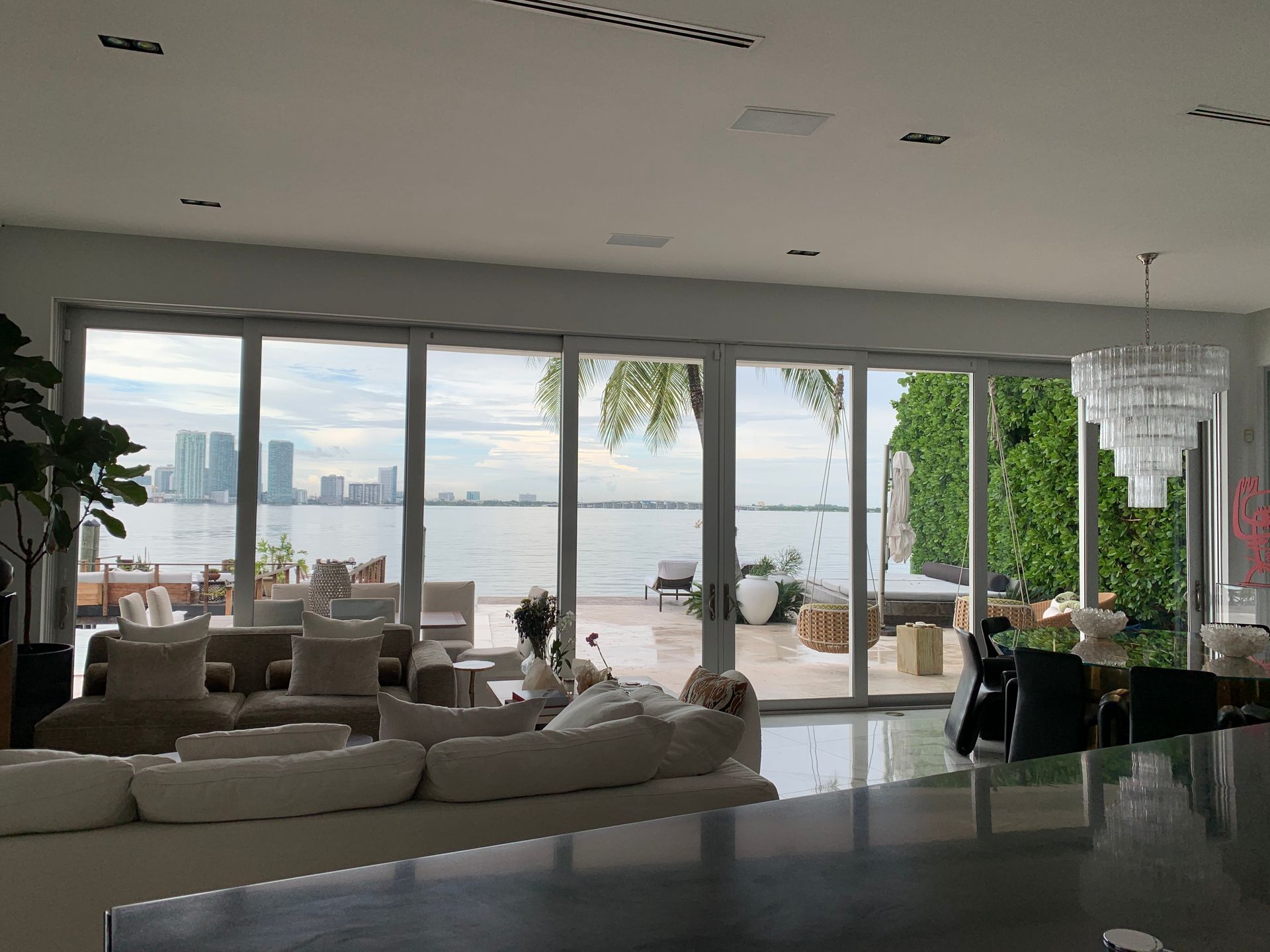
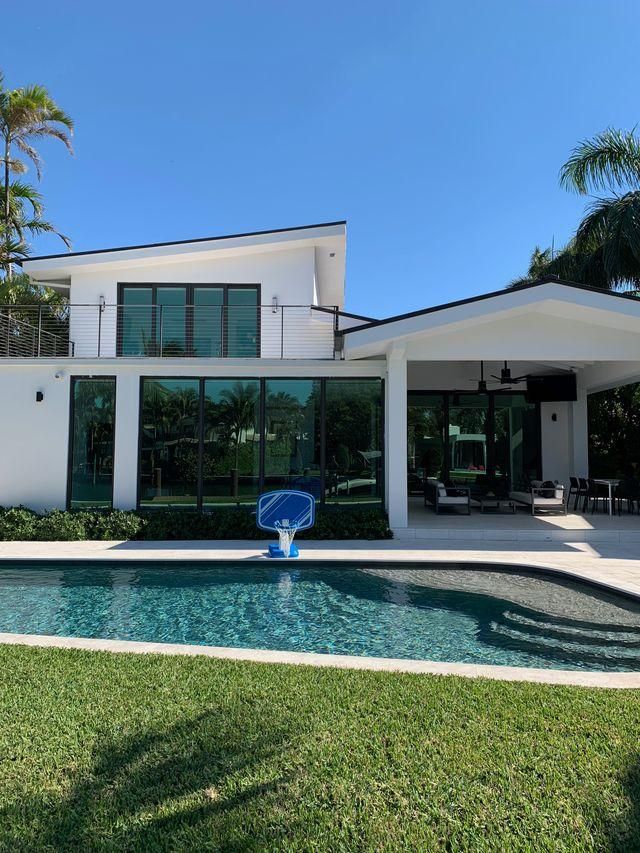
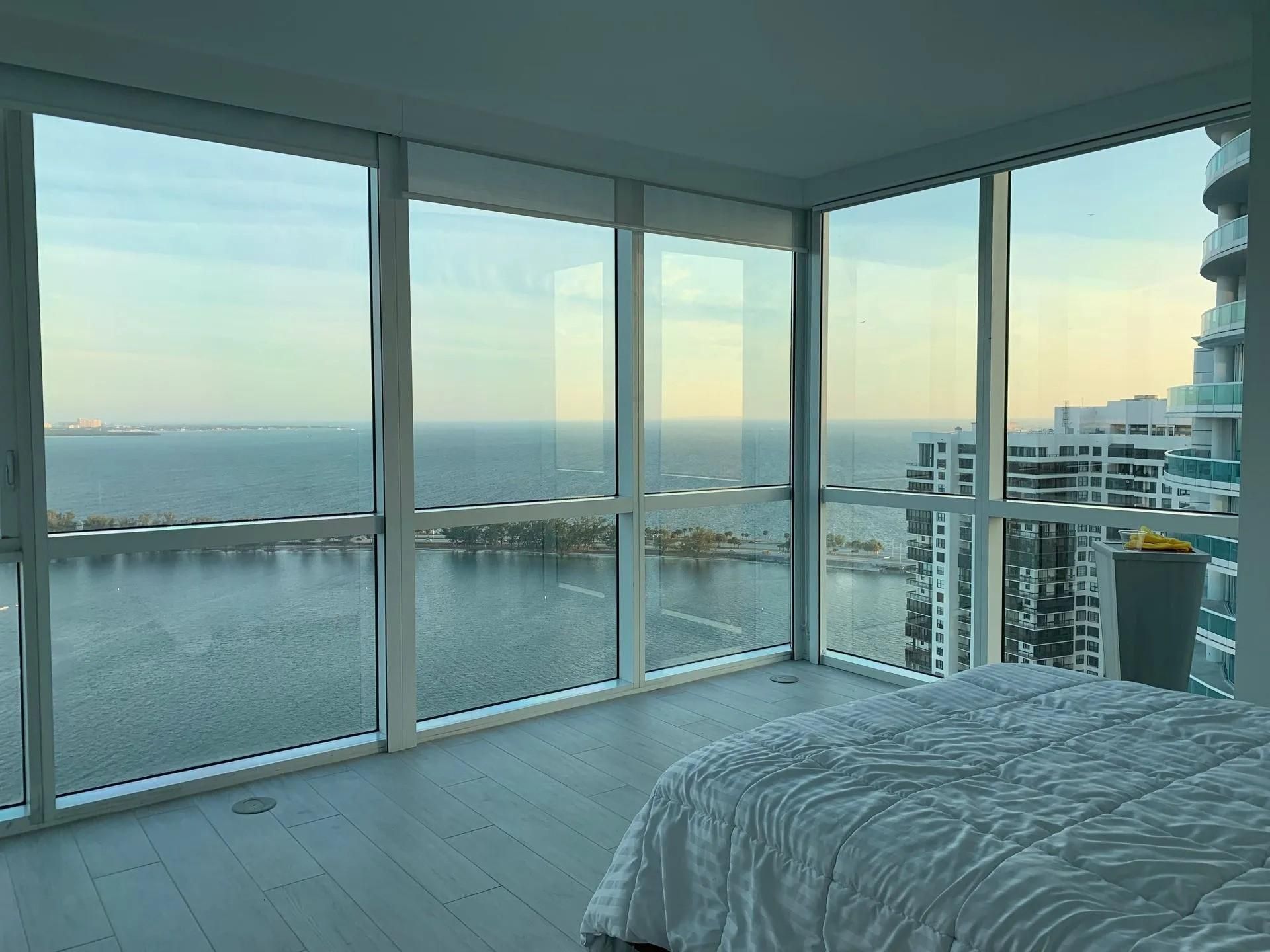
Indoor comfort can be affected by the amount of heat and sunlight entering through windows. This is particularly noticeable in Miami, where homes can receive strong sun exposure throughout much of the year.
Sunlight entering through untreated glass can contribute to heat buildup in rooms, especially those with large windows or direct exposure. Residential window tinting can help reduce solar heat entering through the glass, which may make certain areas of the home more comfortable and reduce reliance on air conditioning.
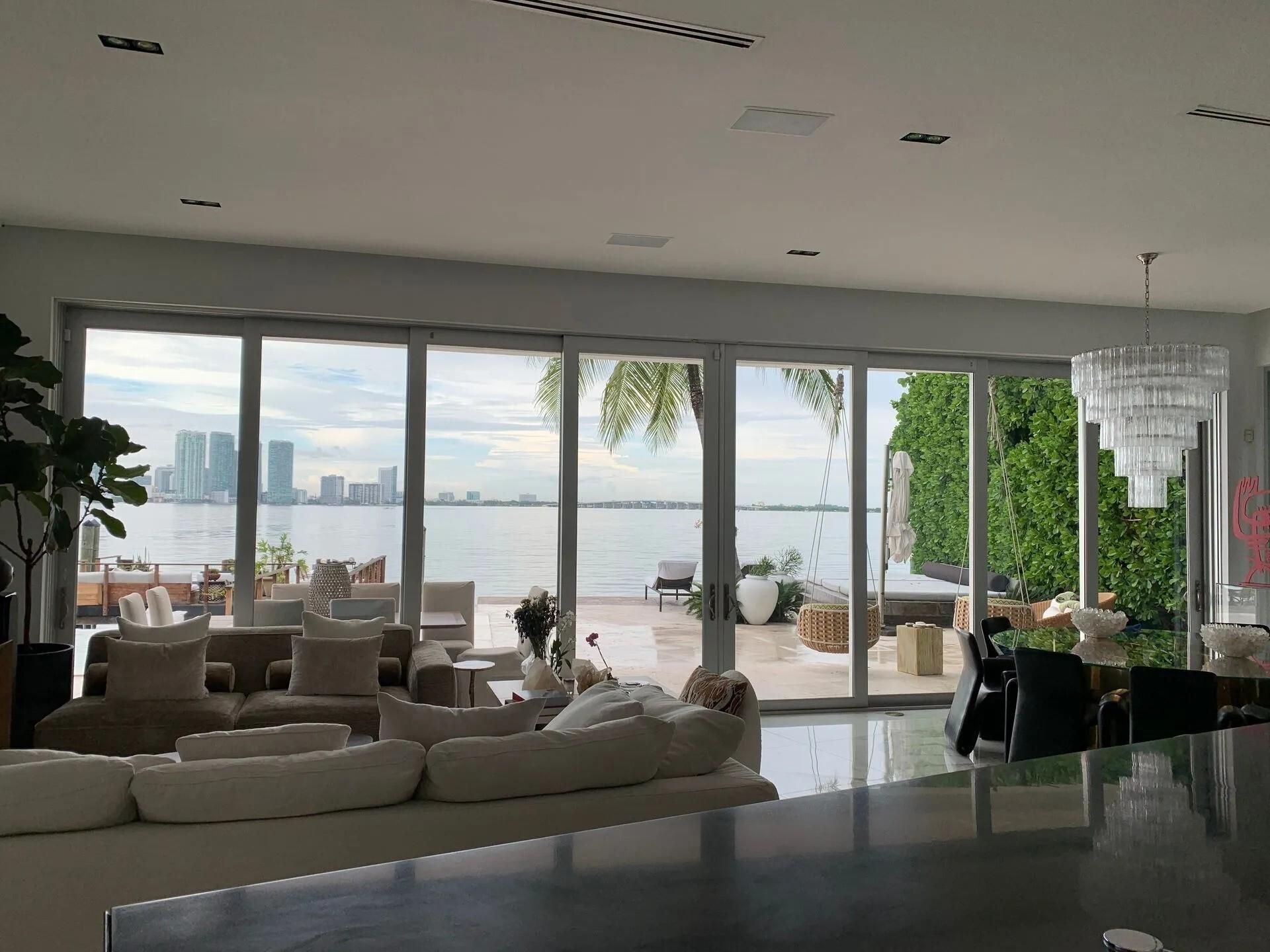
Glare is another common issue. Bright sunlight can make television and computer screens difficult to view and can create uncomfortable reflections throughout sunlit rooms. Window film can help reduce the intensity of incoming light and make spaces such as living rooms, home offices, and kitchens more comfortable to use.
One of the advantages of residential window tinting is that these benefits can continue without homeowners needing to make frequent adjustments once the film has been properly installed.
Minimal Maintenance, Long-Term Support
One of the practical benefits of residential window tinting is that it requires relatively little day-to-day attention compared with some other home improvements.
What Upkeep Actually Looks Like
Routine care for tinted windows is straightforward. Homeowners can continue cleaning their windows using appropriate window-care practices to keep the glass looking clear and the installation looking its best.
Unlike blinds or curtains that may need to be adjusted throughout the day to control sunlight, window film remains in place and works continuously. Homeowners generally do not need to make repeated changes to maintain the basic benefits of the film.
This simple approach can be especially convenient for Miami homeowners who want better control over heat and glare without adding another daily task to their routine.
Consistent Performance Over Time
Once properly installed, residential window film can continue helping manage heat, glare, and UV exposure as part of the home's overall window solution. Homeowners do not need to adjust the film based on changing weather or the time of day.
The exact performance depends on the film selected, the windows where it is installed, and the property's exposure to sunlight. Even so, the convenience of having a fixed film solution can make it an attractive alternative to constantly adjusting window coverings.
Protecting Interiors Without Extra Effort
Residential window tinting can also provide an added layer of protection for interior furnishings and finishes.
Reducing UV Exposure
Long-term exposure to ultraviolet radiation can contribute to fading and deterioration of furniture, flooring, fabrics, artwork, and other interior materials. This type of damage can develop gradually, especially in rooms that receive substantial direct sunlight.
Residential window film can help reduce UV exposure through the glass, helping protect interior surfaces from prolonged sun exposure. This protection happens as part of the window film itself, so homeowners do not need to regularly rearrange furniture or use covers simply to limit exposure.
For homes in Miami, where strong sunlight is common, this can be a practical way to help preserve the appearance of interior spaces.
Managing Glare Without Constant Adjustments
Glare can also lead homeowners to keep blinds or curtains closed during bright parts of the day. While these coverings can control sunlight, they also reduce natural light and require regular adjustment.
Residential window tinting can provide another way to manage intense sunlight. Depending on the film selected, it can reduce glare while still allowing natural daylight into the room. This gives homeowners more consistent control without needing to repeatedly open and close coverings as sunlight changes.
Long-Term Value of a Low-Maintenance Upgrade
When comfort, glare control, UV protection, and minimal day-to-day upkeep come together, residential window tinting can provide value beyond the initial installation.
Reducing solar heat gain can help indoor spaces stay more comfortable and may reduce reliance on air conditioning, particularly during warmer periods. Managing glare can improve the usability of rooms with televisions, computers, and large windows. At the same time, reducing UV exposure can help protect furniture, flooring, fabrics, and other interior elements from prolonged sun exposure.
These benefits can continue over time without requiring frequent adjustments from the homeowner, making window film a practical option for households looking for a convenient home improvement.
Choosing the Right Residential Window Film
Not every home has the same window orientation, glass area, or level of sun exposure. The most appropriate film depends on factors such as the amount of natural light you want to maintain, the level of glare and heat entering the room, and the type of protection you want.
World of Auto Tinting offers residential window film options for different needs, including solar, reflective, private, decorative, and security and safety films. A professional assessment can help identify which windows may benefit most and which film is best suited to your goals.
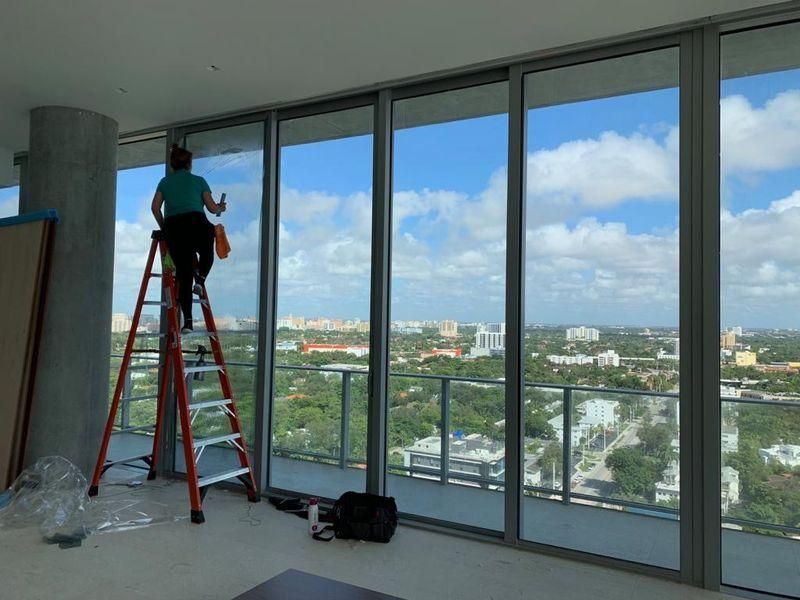
Selecting the right film and choosing professional Residential Window Tinting installation can help homeowners achieve the desired combination of comfort, appearance, glare control, and overall window performance. A proper installation also helps ensure the film is applied correctly to the selected windows.
Final Thoughts
Residential window tinting can be a practical home improvement for Miami homeowners who want better comfort and interior protection without adding significant day-to-day maintenance. By helping manage solar heat, glare, and UV exposure, window film can support a more comfortable and functional living environment.
For homeowners looking for a convenient upgrade that works continuously once properly installed, residential window tinting can be a worthwhile option for homes with strong sun exposure or rooms affected by heat and glare.
If you are considering residential window tinting for your home,
contact
World of Auto Tinting today to discuss your options and schedule a consultation.
World of Auto Tinting Blog