
How Long Does Automotive Window Tint Typically Last?
October 20, 2026
At World of Auto Tinting in Miami, FL, we understand that automotive window tinting is an investment in comfort, appearance, and protection from sunlight. One of the most important considerations is how long the installed film will continue to look and perform as expected. Although automotive window tint can last for several years, its actual lifespan depends on several factors, including film quality, installation techniques, environmental exposure, maintenance, and everyday vehicle use.
Miami's warm temperatures and frequent sunshine make long-term durability especially relevant. Understanding how window films age helps establish realistic expectations. In this guide, we explain how long window tint typically lasts, what influences its durability, how proper care supports its condition, and which warning signs may indicate that replacement is appropriate.
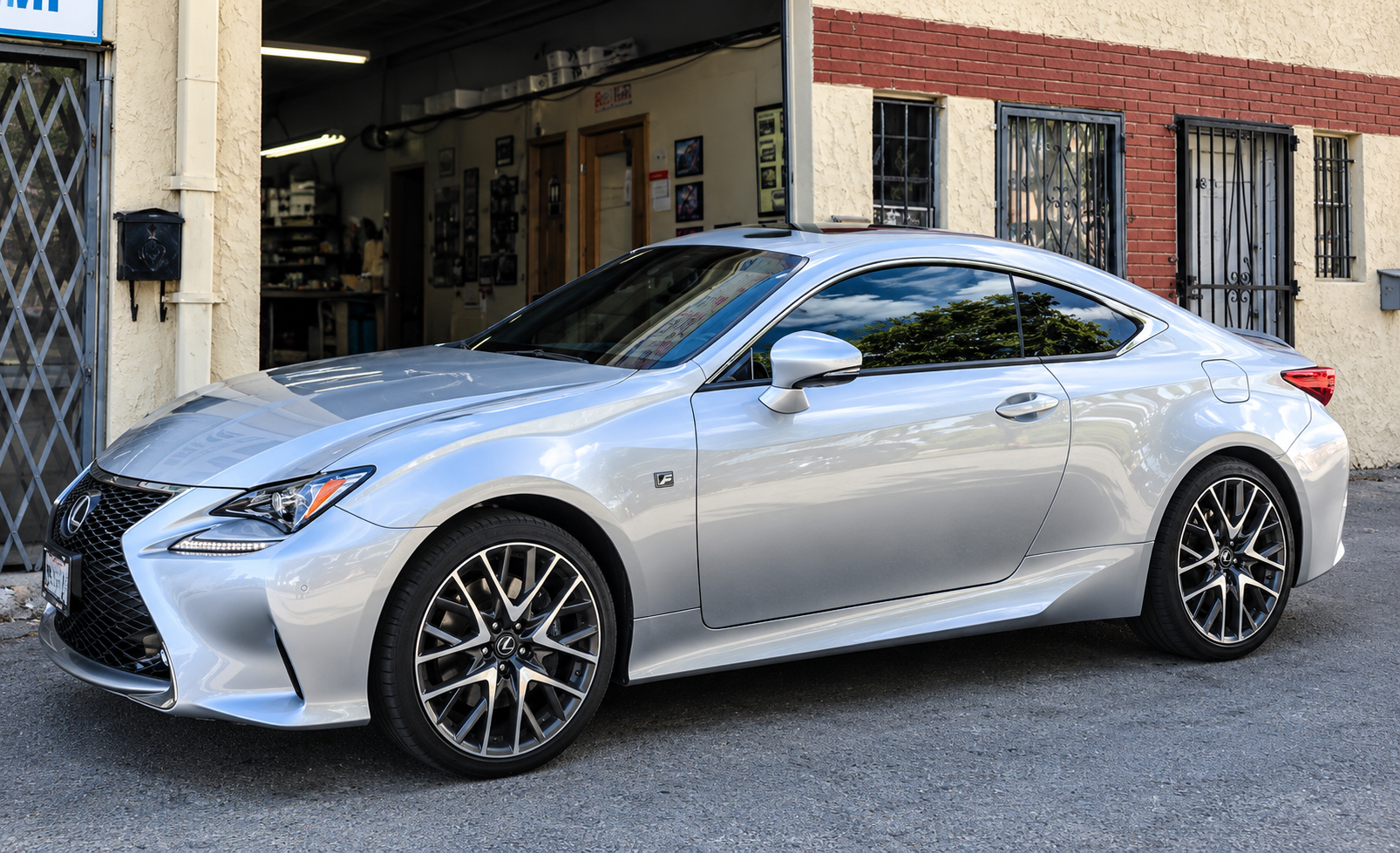
How Long Does Window Tint Last on a Vehicle?
When explaining how long window tint lasts, we emphasize that no single timeframe applies to every installation. Automotive window film can remain functional and visually appealing for several years, but its condition depends on the materials selected and the circumstances in which the vehicle is used.
Understanding the Typical Lifespan of Automotive Window Tint
We recognize that higher-quality automotive window films can maintain their appearance and performance for many years when professionally installed and properly maintained. However, we avoid promising an identical lifespan across different vehicles because exposure conditions vary.
A vehicle frequently exposed to sunlight and heat may experience different aging patterns than one regularly parked in covered areas. We evaluate longevity through color consistency, clarity, adhesion, and overall condition rather than age alone.
How Film Quality Influences Long-Term Durability
Film quality plays an important role in determining how automotive tint ages. Lower-quality materials may begin showing fading, discoloration, bubbling, or peeling sooner, especially under prolonged environmental exposure.
At World of Auto Tinting, we work with premium SunTek window films designed to deliver reliable solar protection and a refined appearance. Our selection includes ceramic and carbon film options with different performance characteristics.
Better construction can help maintain appearance and functionality over time.
What Factors Affect the Lifespan of Automotive Window Tint?
Several conditions influence how long automotive window tint remains in good condition. We consider environmental exposure, film construction, installation quality, and regular vehicle operation when discussing durability. These influences explain differences between installations.
Sun Exposure and High Temperatures
In Miami, FL, automotive window tint regularly encounters strong sunlight and elevated temperatures. Continuous exposure can gradually affect film materials, particularly when vehicles spend extended periods parked outdoors.
We recognize that excessive heat and sunlight may contribute to discoloration, changes in adhesion, and other signs of aging in less durable films. While premium materials are designed for demanding conditions, environmental exposure still influences long-term performance.
Miami's climate matters when selecting and maintaining film.
Window Film Quality and Material Construction
Different automotive window films use different materials and construction technologies. These differences influence heat rejection, UV protection, appearance, and resistance to deterioration.
At World of Auto Tinting, our ceramic window tinting options include SunTek Ceramic IR and Evolve films. We also offer SunTek carbon films, including the CXP and Carbon Series.
These products support solar performance and a consistent finish. However, we distinguish performance features from an exact lifespan guarantee because installation conditions and daily exposure remain important.
Professional Installation and Film Adhesion
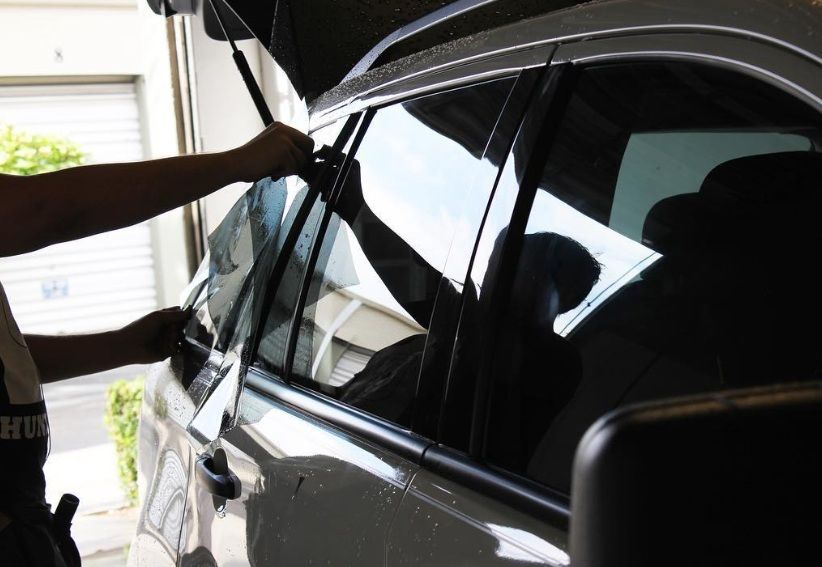
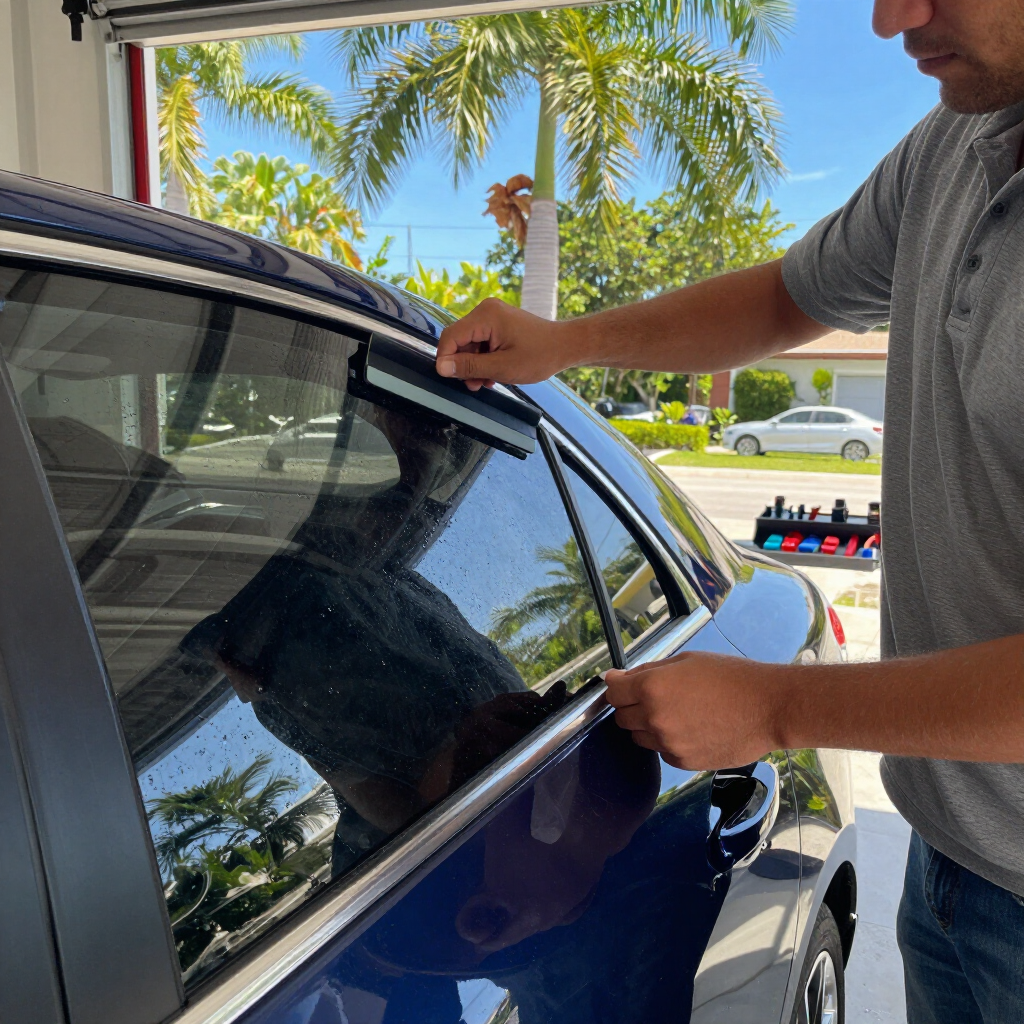
We believe professional installation provides the foundation for lasting automotive window tint performance. Careful glass preparation, accurate film positioning, and proper application help establish consistent adhesion and a smooth appearance.
At World of Auto Tinting, our professionally trained technicians focus on precision throughout the installation process. We work to minimize imperfections and achieve an even finish.
Although professional workmanship cannot prevent every form of natural aging, proper installation can reduce the likelihood of premature problems associated with poor application.
Everyday Vehicle Use and Window Operation
Regular vehicle operation also influences the condition of automotive window tint. Frequently lowering windows, cleaning interior glass, and repeated contact with tinted surfaces may contribute to gradual wear.
We recognize that film edges can be particularly vulnerable when existing adhesion problems develop. Rough handling or unnecessary pressure may worsen those conditions.
We encourage careful handling, especially during curing. Careful handling reduces avoidable damage.
How Can Proper Maintenance Help Window Tint Last Longer?
Proper maintenance supports the appearance and durability of professionally installed automotive window film. While maintenance cannot eliminate natural aging, we believe consistent care can reduce premature deterioration and help maintain the intended finish.
Using Appropriate Cleaning Methods
We recommend using gentle cleaning methods when maintaining automotive window tint. Soft, nonabrasive materials help prevent unnecessary damage to the film surface, while cleaning products intended for tinted glass are preferable to harsh chemicals.
Excessive rubbing, abrasive tools, and unsuitable cleaning solutions may affect the film's condition. We also recommend avoiding unnecessary pressure along the edges, particularly when the film shows signs of wear.
For newly installed tint, we emphasize following the recommended waiting period before cleaning. This allows the film to continue curing without unnecessary disturbance.
Proper cleaning helps preserve clarity and appearance.
Preventing Unnecessary Wear and Damage
We consider careful everyday handling another important aspect of automotive window tint maintenance. Contact with sharp objects, repeated pressure, and improper cleaning practices can damage the film or interfere with its appearance.
Following installation, we recommend waiting for the advised period before lowering tinted windows, as outlined in our aftercare instructions. This helps the film settle and establish proper adhesion.
Once curing is complete, avoiding unnecessary contact with the edges can help reduce premature lifting or peeling.
We recommend addressing unusual changes promptly. Maintenance can reduce avoidable wear.
What Are the Signs That Automotive Window Tint Is Wearing Out?
As automotive window tint ages, visible changes can indicate when inspection or replacement may be needed.
Fading and Discoloration
Fading is one of the visible signs associated with aging automotive window film. Over time, some films may lose their original color consistency or develop uneven areas.
We recognize that lower-quality tint can become discolored, sometimes developing a purple appearance after prolonged sunlight exposure.
When evaluating older installations, we consider noticeable fading an indication that the film may no longer maintain its original appearance. Significant discoloration can make replacement worth considering, particularly when combined with other signs of deterioration.
Bubbling and Peeling Along the Edges
Bubbling and peeling may indicate problems with the adhesive bond between the film and glass. These changes can become more noticeable as an installation ages.
We distinguish persistent bubbles in older tint from temporary moisture patterns that sometimes occur during the curing of newly installed film.
When edges begin lifting or sections of film separate from the glass, the affected areas may continue deteriorating.
We recommend professional evaluation rather than attempting to press or pull the film into position. Understanding the cause helps determine whether replacement is appropriate.
Reduced Clarity and Uneven Appearance
Clear visibility is an important consideration when evaluating automotive window tint. As film deteriorates, persistent cloudiness, distortion, or uneven areas may affect its appearance.
Sunlight can make these changes more noticeable.
When cloudiness or distortion persists after appropriate cleaning and is unrelated to normal curing, we recommend a professional inspection.
We evaluate aging, adhesion, and signs of deterioration.
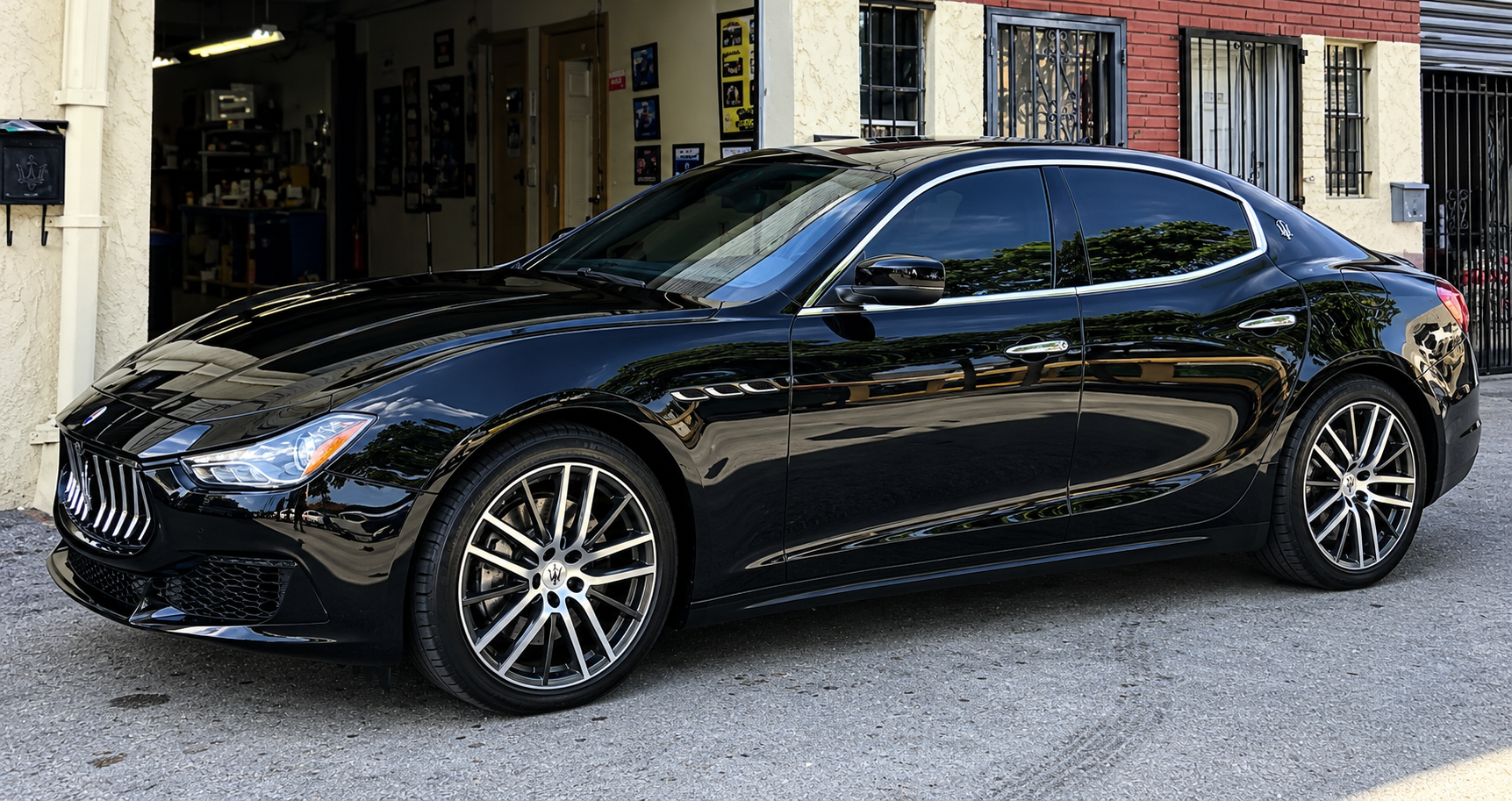
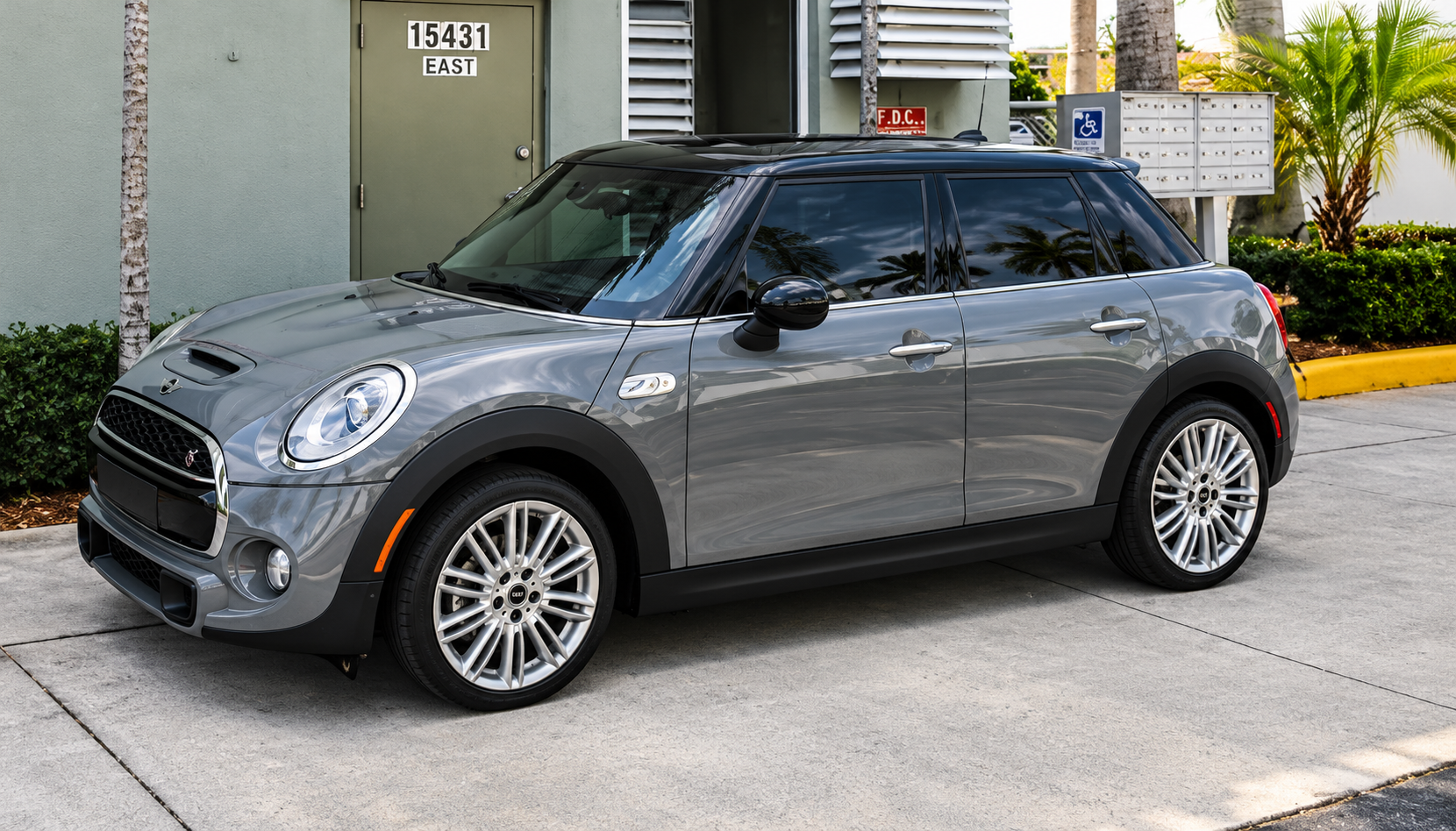
When Should Automotive Window Tint Be Replaced?
We believe replacement decisions should reflect the actual condition of automotive window film rather than a fixed number of years. Persistent fading, peeling, bubbling, or reduced clarity may indicate that the window tint requires professional evaluation.
When Professional Inspection Is Necessary
We recommend an inspection when visible deterioration continues developing or begins interfering with the film's appearance and clarity.
Persistent bubbling, lifting edges, noticeable discoloration, and cloudy areas are conditions worth evaluating. We consider whether changes developed gradually or during initial curing.
We assess existing film before recommending next steps. Not every temporary irregularity indicates that replacement is necessary.
Why Professional Tint Replacement Matters
When automotive window tint has deteriorated significantly, proper replacement helps restore a clean and consistent appearance.
We recognize the importance of removing aging film carefully and preparing the glass before applying new material. Residual adhesive or improper preparation can interfere with the finished installation.
Our professional automotive window tinting services focus on precise application using premium SunTek films. We offer different ceramic and carbon options to accommodate varying preferences for solar protection, comfort, and appearance.
Choose Professional Automotive Window Tinting in Miami, FL
At World of Auto Tinting, we understand that automotive window tint longevity depends on film quality, installation, environmental exposure, maintenance, and everyday use. Although quality window film can last several years, gradual changes in color, adhesion, and clarity may eventually indicate the need for inspection or replacement.
We provide professional automotive window tinting in Miami, FL, using premium SunTek ceramic and carbon films. Our trained technicians focus on careful installation and consistent workmanship, supported by available manufacturer warranty coverage and applicable terms.
We help customers explore suitable film options for their vehicles.
To learn more about our professional automotive window tinting services, request a quote, or schedule an appointment,
contact us today at World of Auto Tinting in Miami, FL.
World of Auto Tinting Blog