
Car Window Tint Aftercare Tips for the First 30 Days
October 22, 2026
At World of Auto Tinting in Miami, FL, we understand that professional automotive window tinting does not end when the installation is complete. Proper care during the first 30 days is important for allowing the film to settle, maintain its appearance, and develop a secure bond with the glass. During this period, a small amount of moisture may remain beneath the film, making patience and careful handling essential.
We recommend following appropriate car window tint aftercare practices to avoid unnecessary damage while the film cures. Lowering windows too early, applying pressure, or using unsuitable cleaning products can interfere with the installation. Miami's warm temperatures, humidity, and changing weather conditions may also influence how quickly the film settles. Understanding what to expect during the first month helps protect the installation and supports a clean, consistent appearance over time.
Why Is Car Window Tint Aftercare Important During the First 30 Days?
We consider the initial curing period an important stage in achieving a quality automotive window tint installation. Although the film is professionally applied, its adhesive bond continues developing as remaining moisture evaporates. Proper aftercare helps prevent unnecessary interference during this process.
How the Window Tint Curing Process Works
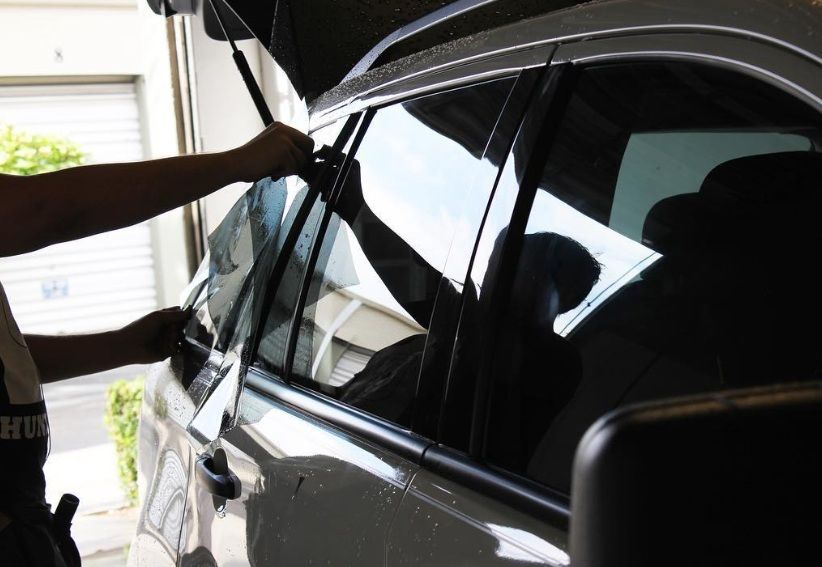
During installation, we use an application solution that helps position the window film accurately against the glass. Although most of this solution is removed during application, a small amount of moisture may remain beneath the film.
As the remaining moisture evaporates, the adhesive continues to set, allowing the film to settle more evenly against the glass. Some temporary haze or moisture patterns may remain visible during this process.
We recognize that curing times vary depending on film characteristics, temperature, and humidity. Allowing sufficient time helps the installation develop a smooth, consistent finish.
How Proper Aftercare Helps Prevent Premature Damage
We emphasize proper aftercare because newly installed film can be more vulnerable to movement and unnecessary pressure before curing is complete. Lowering windows prematurely, rubbing the surface, or handling film edges may interfere with adhesion.
Following our installation-specific instructions helps reduce the risk of avoidable peeling, lifting, and other damage. We consider careful handling an important part of preserving the professional finish and maintaining the film's appearance during its earliest stages.
What Should Be Avoided During the First Few Days After Installation?
The first several days after automotive window tint installation require particular attention. We recommend avoiding activities that could disturb the film while its adhesive bond continues developing. Following these precautions can help minimize preventable installation problems.
Avoid Rolling Down Windows Too Soon
We recommend keeping newly tinted windows closed for the waiting period specified during installation. Lowering them prematurely may create friction along the film edges before the adhesive has settled sufficiently.
Repeated window movement during this stage can increase the possibility of lifting or shifting along vulnerable areas.
We provide aftercare guidance based on the installation rather than assuming every vehicle requires an identical waiting period. Following these instructions supports proper adhesion and helps maintain the finished appearance.
Avoid Touching or Pressing the Window Film
Temporary bubbles, moisture pockets, or cloudy areas may appear while newly installed film continues curing. We understand that these changes can attract attention, but pressing or rubbing them may interfere with the installation.
We recommend allowing moisture to evaporate naturally instead of attempting to flatten visible areas manually.
Pulling at corners or applying pressure around the edges can also disturb the adhesive bond. We consider patience particularly important when temporary moisture patterns are gradually improving.
Avoid Cleaning Windows Before the Recommended Time
Cleaning interior glass immediately after tint installation may place unnecessary pressure on film that has not fully settled. We recommend waiting until the specified cleaning period has passed before wiping tinted surfaces.
Cleaning the tinted glass too soon may place unnecessary pressure on the film or disturb its edges before it has settled properly.
At World of Auto Tinting, we emphasize following our aftercare instructions rather than beginning regular cleaning immediately. This precaution helps protect the film while the curing process continues.
How Should Car Window Tint Be Cared for During the First 30 Days?
We recommend approaching the first month as a gradual curing period rather than assuming every installation follows an identical timeline. Although many films settle sooner, moisture evaporation and final clarity can vary with environmental conditions.
The First 24 to 72 Hours After Installation
During the earliest stage, we recommend avoiding unnecessary contact with tinted surfaces and following the prescribed waiting period before operating windows.
Some newly installed films may show slight cloudiness or moisture patterns during this time. We recognize that these temporary changes do not necessarily indicate an installation problem.
We also recommend avoiding cleaning, rubbing, or pressing the film while it settles. The priority during these initial days is allowing the adhesive bond to develop without unnecessary interference.
The First Week After Window Tint Installation
During the first week, moisture-related haze may gradually become less noticeable as the remaining moisture evaporates. However, the rate of improvement may differ between vehicles and individual windows.
We recommend monitoring the film's appearance without attempting to remove temporary moisture pockets.
Once the specified window-operation waiting period has passed, normal use can resume according to our guidance. Cleaning should still follow the recommended schedule.
At World of Auto Tinting, we consider gradual improvements in clarity an encouraging indication that curing is progressing normally.
Weeks Two Through Four of the Curing Process
During the following weeks, remaining moisture may continue evaporating, allowing the film to achieve a clearer, more uniform appearance.
We recognize that Miami's humidity and changing weather conditions can influence this process. Some installations may require additional time before all temporary moisture patterns disappear.
We recommend continuing gentle handling and using suitable cleaning methods once cleaning is permitted.
The first 30 days provide a useful aftercare period, but they do not represent a guaranteed curing deadline. Persistent irregularities should be evaluated according to the installation conditions and expected curing timeframe.
How Can Newly Installed Window Tint Be Cleaned Safely?
Once the recommended waiting period has passed, suitable cleaning practices become an important part of ongoing car window tint aftercare. We encourage gentle methods that help preserve the film's clarity and appearance without creating unnecessary surface wear.
Choose Appropriate Cleaning Products and Materials
We recommend using cleaning products specifically suitable for automotive window tint. Harsh chemicals and unsuitable solutions may affect the film surface or contribute to deterioration over time.
Soft microfiber cloths are preferable to abrasive pads, rough materials, or sharp cleaning tools that could damage the installation.
We also recommend checking whether cleaning products are appropriate for tinted glass before applying them. Using suitable materials helps preserve a clean finish while reducing avoidable wear.
At World of Auto Tinting, we consider proper cleaning an important part of maintaining professionally installed window film.
Use Gentle Cleaning Techniques
We recommend cleaning tinted glass with light, controlled movements rather than vigorous rubbing. Excessive pressure can place unnecessary stress on the film, especially near the edges.
Once cleaning is permitted, a suitable solution and soft cloth can help remove ordinary residue without aggressive scrubbing.
We encourage avoiding attempts to scrape away marks or manually correct bubbles during cleaning. Areas that appear damaged should receive professional attention instead.
Gentle cleaning helps maintain clarity and reduces the possibility of premature damage. We believe consistent care is more beneficial than applying excessive force to achieve immediate results.
How Do Miami's Weather Conditions Affect Window Tint Curing?
Environmental conditions influence the drying process after automotive window tint installation. In Miami, FL, we recognize that temperature, sunlight, humidity, and rainfall can affect how quickly moisture beneath the film evaporates.
How Heat and Sunlight Influence Curing
Warmer temperatures can encourage moisture evaporation, potentially allowing window film to become clearer sooner. Sunlight exposure may also contribute to differences in drying between windows on the same vehicle.
We recognize that these variations are common during curing and do not automatically indicate uneven installation quality.
Although warmth can support evaporation, we do not recommend applying excessive external heat to accelerate the process. Natural curing under suitable conditions remains the preferred approach.
Why Humidity and Rainy Conditions May Slow Drying
Miami's humid climate can influence how quickly remaining installation moisture escapes. When humidity is elevated, evaporation may occur more slowly, extending the time required for the film to become completely clear.
Higher humidity and lower temperatures associated with rainy weather may also slow the drying process.
We emphasize that slower curing does not necessarily indicate a problem with the installation. Gradual improvements in clarity remain an important consideration when evaluating whether the film is settling normally.
What Signs Should Be Monitored During the First 30 Days?
We recommend observing the film's appearance during the initial curing period without unnecessary handling. Recognizing normal moisture changes and potential installation concerns helps determine when professional evaluation may be appropriate.
Temporary Haze and Moisture Patterns
Slight haze, cloudiness, and small moisture pockets may remain visible shortly after installation. We generally expect these changes to improve as the film dries.
We consider gradual clearing a positive indication that moisture is dissipating. However, curing conditions vary, so immediate clarity should not be treated as the only measure of installation quality.
Persistent Bubbling, Peeling, or Lifting Edges
We recommend professional inspection when bubbles remain unchanged beyond the expected curing period or film edges begin peeling or lifting.
Unlike temporary moisture haze, persistent adhesion problems may require additional attention.
We discourage pulling, pressing, or attempting to repair these areas independently. Professional evaluation helps determine whether the observed changes reflect normal curing or an issue requiring correction.
Maintain Your Car Window Tint With Professional Aftercare Guidance in Miami, FL
At World of Auto Tinting, we believe proper car window tint aftercare helps preserve clarity, adhesion, and appearance during the first 30 days. Avoiding premature window operation, harsh cleaning products, and unnecessary pressure allows the film to settle with minimal interference.
We provide professional automotive window tinting in Miami, FL, using premium SunTek films and careful installation techniques. Our team values quality workmanship and appropriate aftercare guidance.
For questions about curing, maintaining newly installed film, or scheduling professional automotive window tinting,
contact us today. Our team is ready to answer your aftercare questions and help you understand how to maintain your automotive window tint.
World of Auto Tinting Blog