
Improving Comfort Through Residential Heat-Reducing Tint
January 21, 2026
Living in Miami, FL means enjoying bright skies and abundant sunlight throughout the year. While this natural light brings warmth and energy into a home, it can also create uncomfortable indoor conditions when heat builds up behind glass. Sun-facing rooms often feel warmer than the rest of the house, air-conditioning systems work harder to maintain balance, and daily comfort becomes uneven from one room to another, making a residential tinting service a practical solution for restoring comfort.
World of Auto Tinting supports Miami homeowners by offering solar film solutions designed to improve indoor comfort. By reducing the amount of infrared heat and UV rays entering through windows, homes experience a more controlled environment throughout the day. Heat-reducing tint allows natural light to remain while limiting the discomfort caused by excessive warmth. Instead of closing blinds or relying on constant cooling, homeowners can enjoy brighter spaces that feel calmer and more balanced.
This approach is not about changing the look of a home. It is about refining how each room performs, helping interiors remain cooler, more comfortable, and better protected over time.
How Heat Enters Through Residential Glass
Sunlight affects every home differently, but glass is always the main point of entry. Windows invite light, views, and openness, yet they also allow heat to pass through. In Miami, where the sun is strong for much of the year, this process can quickly change the temperature of a room.
Sun-Facing Rooms and Temperature Shifts
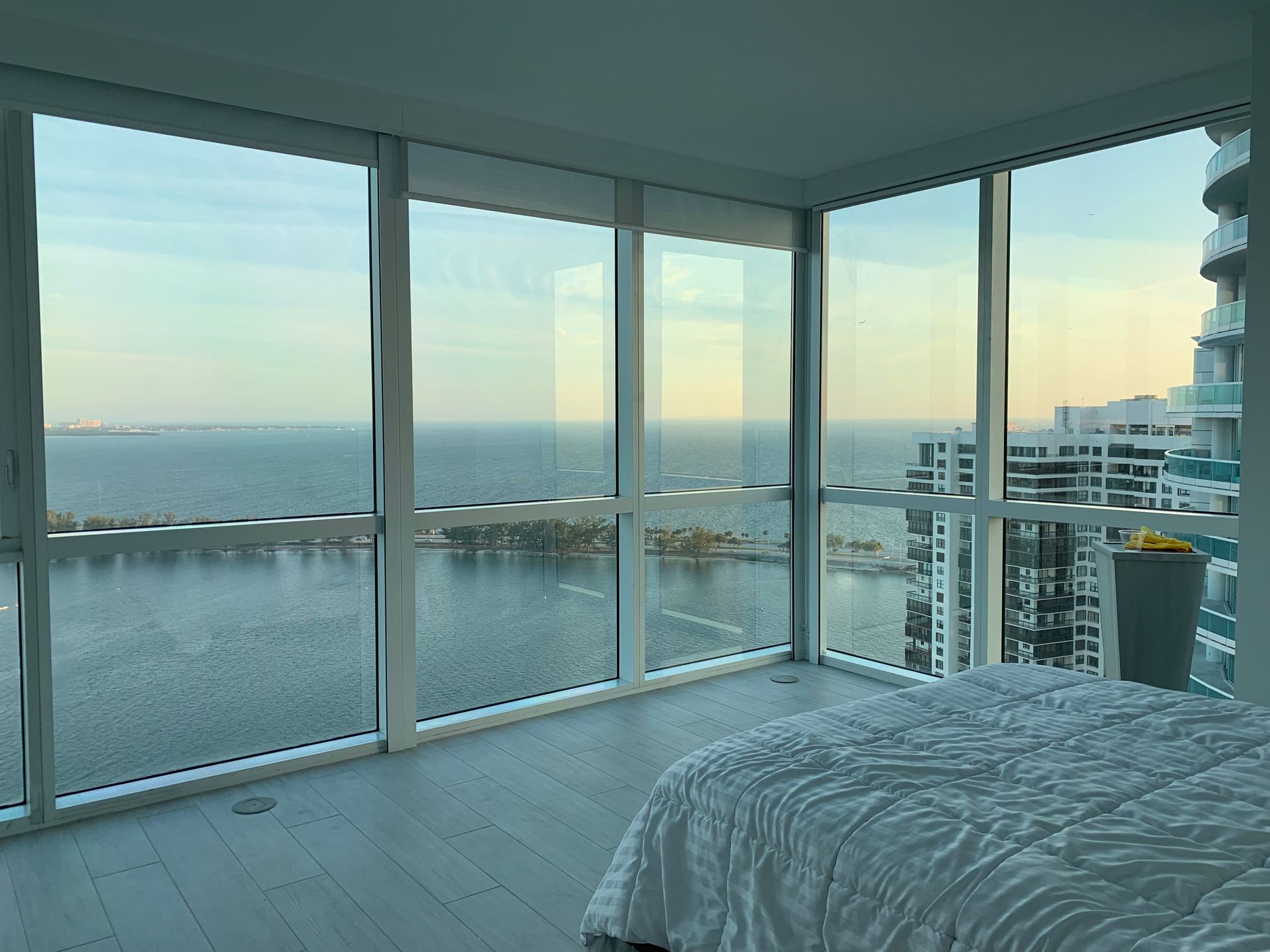
Rooms with large windows or southern and western exposure often warm up earlier and faster than others. Living rooms, kitchens, and home offices that face direct sunlight may feel comfortable in the morning but noticeably warmer by midday. This uneven shift can make certain areas of the home less inviting during peak hours.
Afternoon Heat Buildup
As the sun moves across the sky, heat accumulates inside. Floors, furniture, and walls absorb warmth, and indoor air becomes heavier. Even with air-conditioning running, these spaces can feel different from shaded rooms. This contrast affects how families move through their homes and how often cooling systems must cycle to maintain balance.
The Role of Glass in Indoor Climate
Glass allows light and heat to pass freely. While this openness is visually appealing, it is also the reason temperature changes occur so quickly. Understanding this connection highlights why managing what enters through windows is central to improving comfort.
Reducing Infrared Heat for Better Living
Solar film installed by World of Auto Tinting is engineered to manage infrared heat while preserving the brightness that makes a home feel open. This balance allows homeowners to enjoy natural light without the discomfort that often accompanies it.
Filtering Heat Without Darkening Rooms
Heat-reducing tint refines how sunlight behaves inside the home. Instead of blocking light completely, it filters the energy that causes warmth to build. Rooms remain bright, yet the air feels calmer and more stable during the day.
Cooler Spaces During Peak Hours
Bedrooms, kitchens, and family rooms benefit from reduced heat during the warmest parts of the day. Rather than retreating from sunlit areas, residents can continue using every room comfortably. This consistency changes how the home feels from morning through evening.
Consistent Indoor Temperatures
By limiting heat entry, solar film supports a more even climate throughout the house. Rooms that once felt noticeably warmer begin to match the comfort level of shaded areas. Heat-reducing tint becomes a quiet part of daily living, shaping comfort without calling attention to itself.
Supporting Energy Use and Daily Efficiency
Comfort and energy use are closely connected. When indoor temperatures fluctuate, cooling systems must respond more frequently. This cycle becomes part of daily life in Miami homes.
Reduced Dependence on Air-Conditioning
With less heat entering through windows, indoor spaces stay cooler for longer periods. Air-conditioning systems no longer need to work as aggressively to counteract midday warmth. Homeowners experience steadier comfort without constantly adjusting the thermostat.
More Predictable Indoor Conditions
Rooms maintain a similar feel throughout the day, making it easier to move from space to space. This stability supports everyday routines, from working at home to relaxing in the evening.
Long-Term Efficiency
Over time, managing heat at the window level supports a more balanced home environment. Instead of relying solely on mechanical cooling, the home itself becomes better equipped to handle Miami’s climate.
Protecting Interior Spaces from UV Exposure
Sunlight does more than warm a room. Ultraviolet rays affect the materials inside a home, influencing how long they maintain their appearance. Over time, constant exposure can subtly change colors and textures, making certain areas look older than others. Managing this exposure helps preserve a home’s visual balance and keeps every room feeling consistent and well cared for.
Effects on Furnishings and Décor
Floors, furniture, artwork, and fabrics all respond to prolonged exposure. Areas near windows often show change first, creating visual contrast across the room. This uneven aging can make newer pieces stand out and reduce the harmony of interior design, especially in bright living spaces that receive sunlight throughout the day.
Preserving the Look of the Home
Solar film filters UV rays, helping maintain the consistency of interior finishes. Living rooms and bedrooms that receive strong light retain their original appearance for longer periods. This protection supports long-term care of décor choices, allowing homeowners to enjoy their space without constantly adjusting layouts to avoid sun exposure.
Quiet Daily Protection
This protection happens without altering how the home looks or feels. It becomes part of the environment, working every day to support both comfort and care. Homeowners continue enjoying natural light while knowing their interiors are being preserved in a subtle and reliable way.
Comfort in Every Room of the Home
Every room experiences sunlight differently. A solution that benefits the entire home must account for these variations. By managing heat and light at the window level, each space can maintain its intended purpose and comfort, no matter how the sun moves throughout the day.
Living Rooms and Family Areas
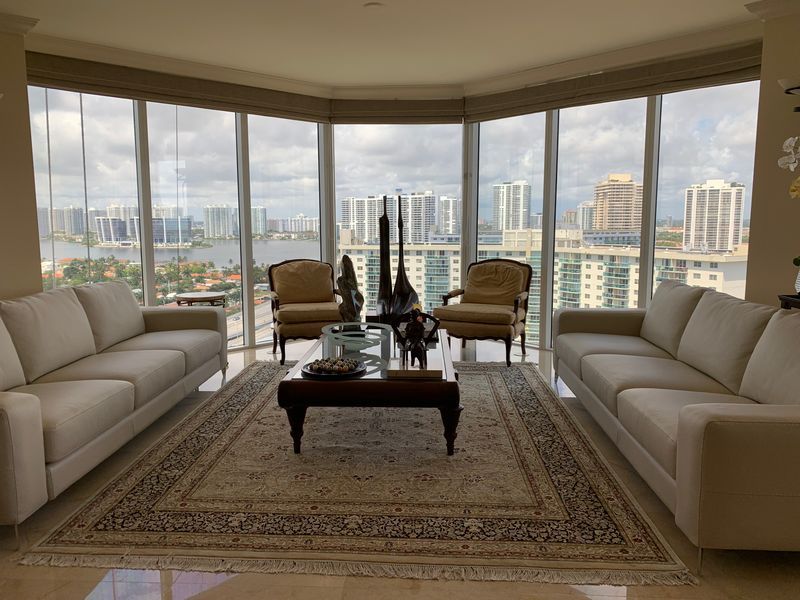
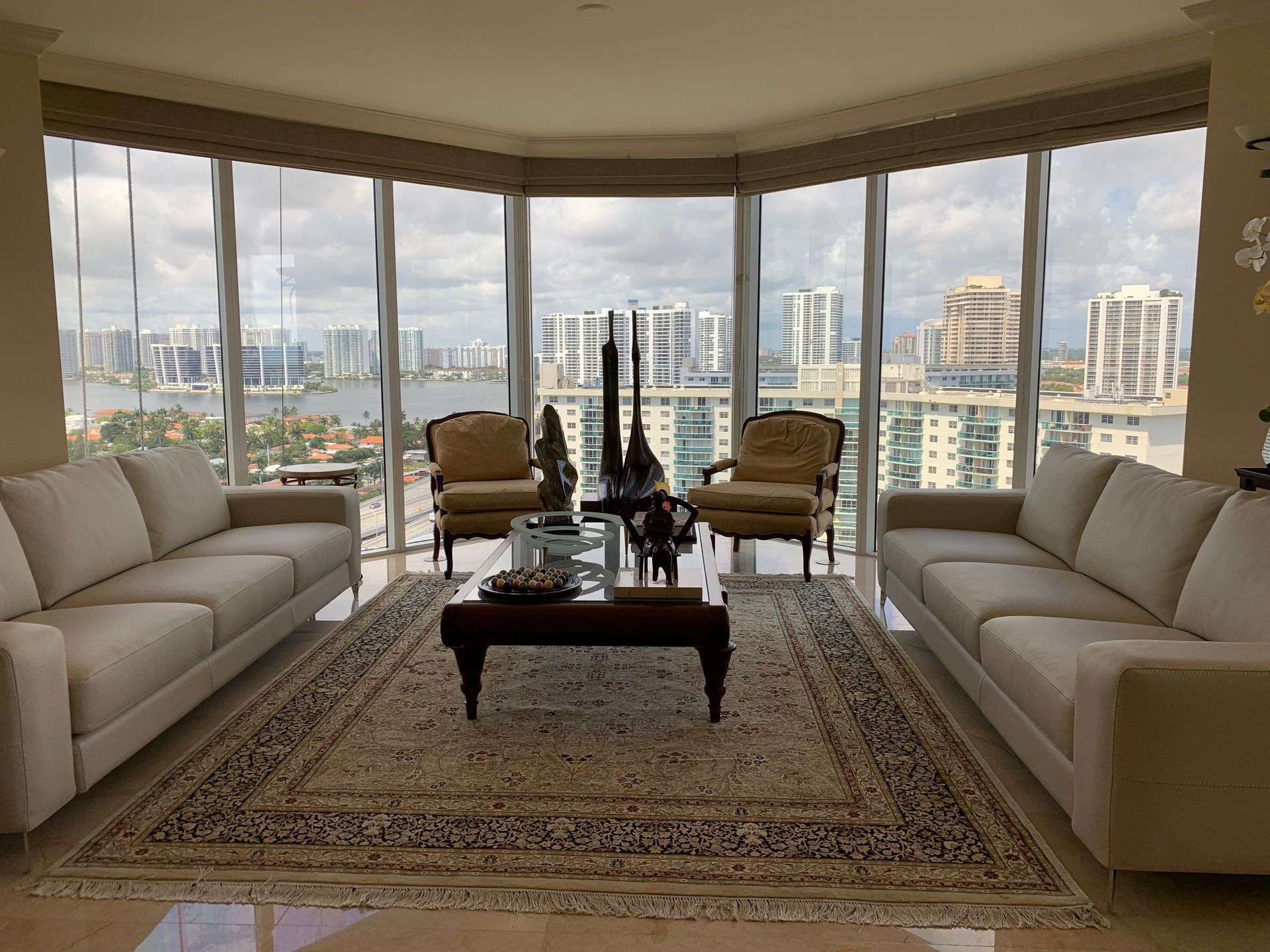
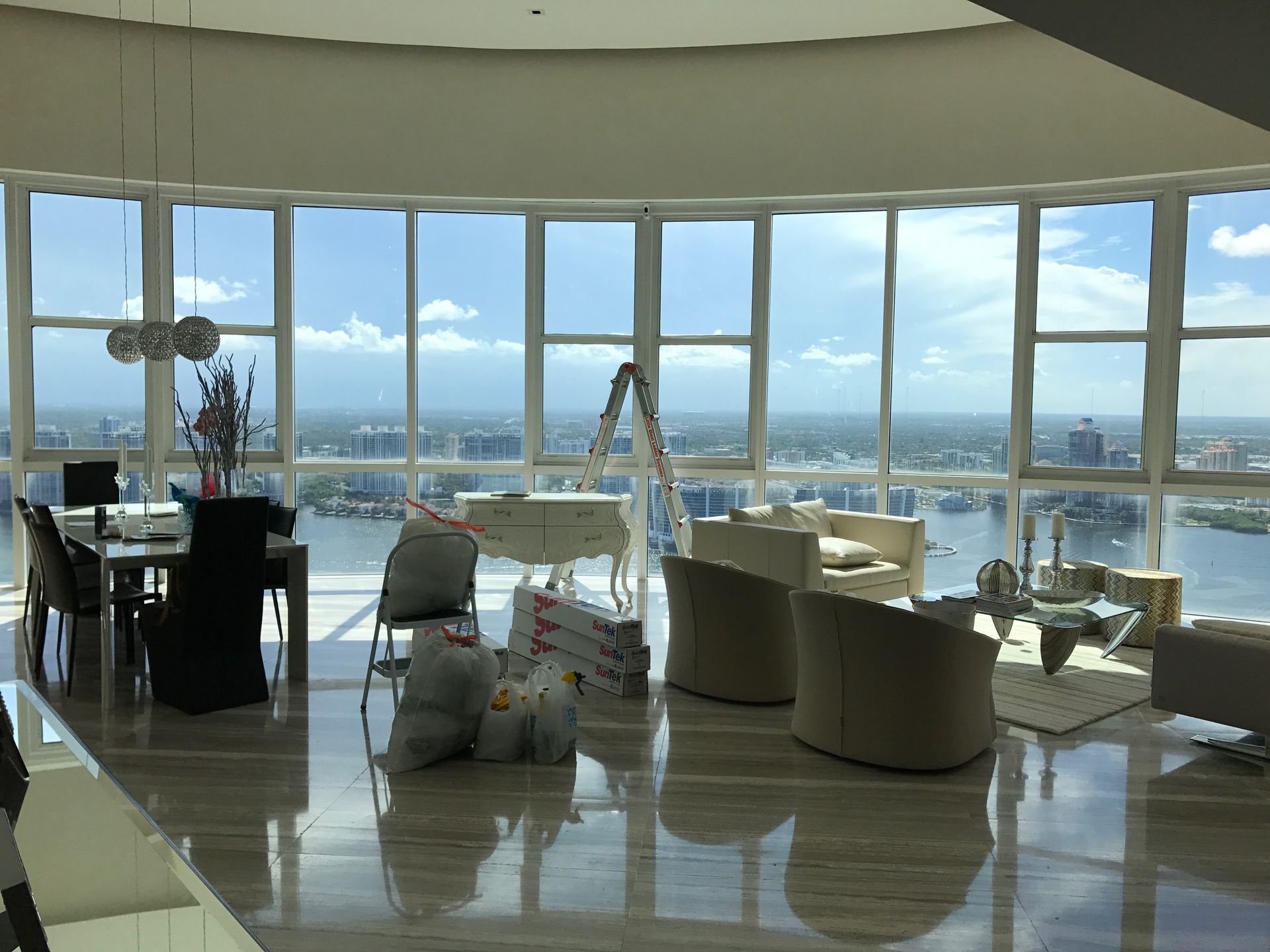
These spaces often feature the largest windows. With managed heat, they remain inviting throughout the day rather than becoming afternoon hotspots. Families can gather comfortably without retreating to shaded corners or closing curtains to escape the warmth.
Bedrooms and Personal Spaces
Bedrooms benefit from cooler conditions that support rest. Morning light remains pleasant without turning the room into a warm enclosure. This balance helps create a calm atmosphere that feels refreshing rather than overwhelming.
Home Offices and Work Areas
Balanced light and temperature create a comfortable setting for focused work. Screens remain clear, and the room stays usable during peak hours. A stable environment supports productivity without the distraction of shifting heat.
Why Miami Homes Benefit from Solar Film
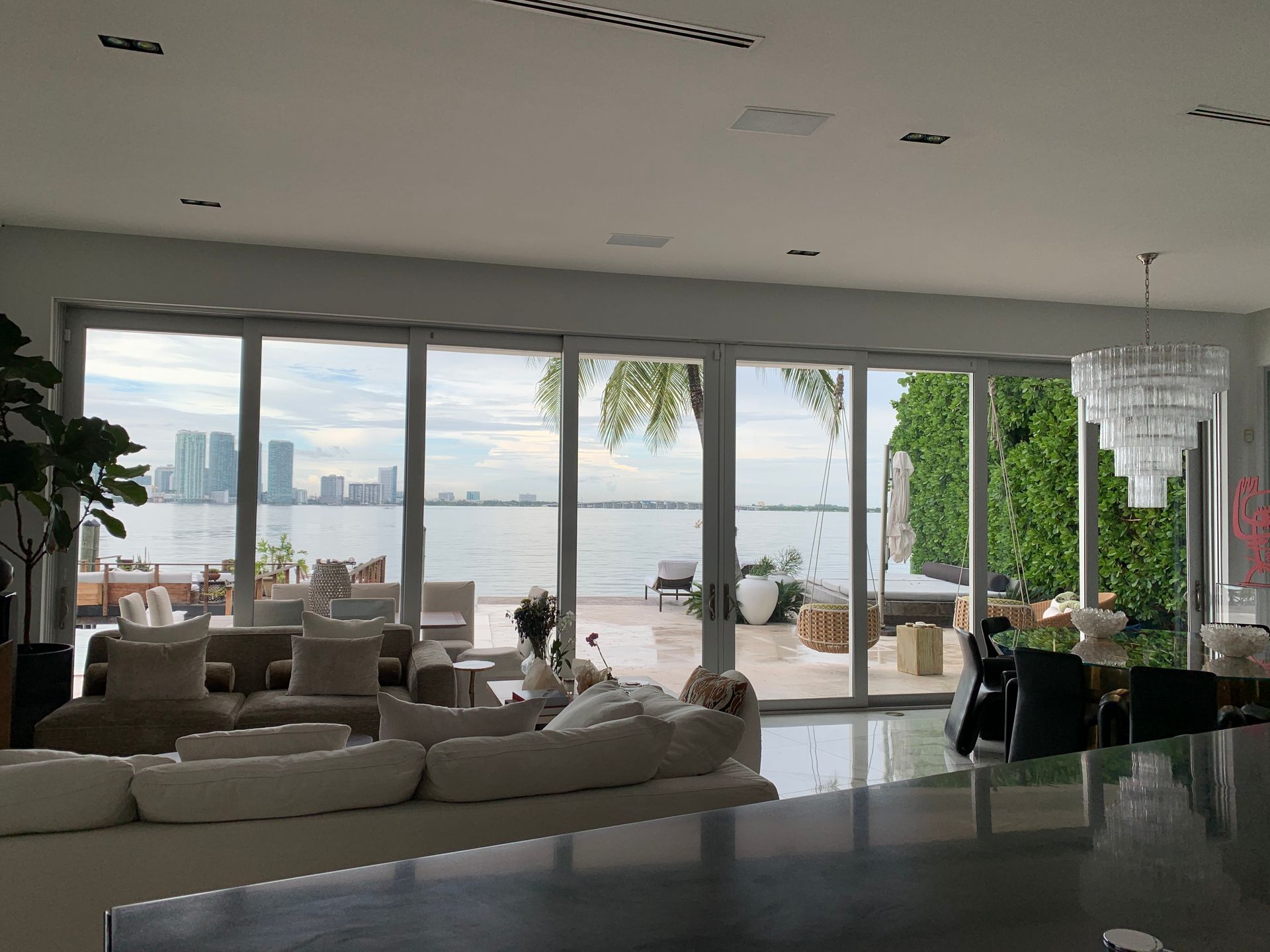
Miami’s climate is defined by strong, consistent sunlight. Homes with large windows and open layouts feel its effects most clearly, especially during long daylight hours. Without proper control, indoor spaces can become uneven in temperature, forcing homeowners to adjust their routines around heat. Solar film helps create balance, allowing homes to remain bright while feeling calmer and more comfortable throughout the day.
Year-Round Sun Exposure
Unlike seasonal climates, Miami experiences warmth throughout the year. Managing heat becomes a daily concern rather than a temporary one. Rooms that face direct sunlight can feel warm even during mild months, making comfort an ongoing priority. Solar film supports consistent indoor conditions, helping homeowners enjoy every season without constant reliance on cooling adjustments.
Coastal Light Conditions
Bright coastal light intensifies the way rooms warm up. Reflections from water and open skies amplify sunlight entering through glass, especially in upper-level rooms and open living areas. Solar film helps refine this natural element instead of eliminating it, preserving views and brightness while softening the intensity that often leads to discomfort.
A Practical Comfort Solution
Heat-reducing tint aligns with how Miami homes are built and used. It supports daily living in a climate that rarely rests from the sun. By managing heat at the window level, homes become easier to enjoy, with rooms that remain usable throughout the day without sacrificing natural light or openness.
World of Auto Tinting’s Residential Approach
At World of Auto Tinting, solar film is installed to minimize heat and UV rays that affect comfort and energy use. Each home in Miami has a different layout, exposure, and rhythm of daily life.
Tailored Solutions for Each Home
Windows are treated according to their position and role in the home. This approach ensures consistent results across living areas, bedrooms, and workspaces.
Focus on Comfort and Protection
The goal is a more controlled indoor climate that feels natural. Heat-reducing tint becomes part of the home, supporting comfort without drawing attention.
Consistency Across All Rooms
With solar film in place, the home begins to feel unified. No room stands out as too warm or too bright. The entire space feels designed for daily living.
Conclusion
Managing heat through glass changes how a home performs every day. By reducing infrared warmth and filtering UV rays, rooms stay cooler, more comfortable, and visually balanced. Air-conditioning systems work more steadily, interiors retain their appearance, and each space becomes easier to enjoy.
In Miami, where sunlight defines daily life, heat-reducing tint offers homeowners a way to embrace brightness without discomfort. World of Auto Tinting provides solar film solutions that support a controlled indoor climate while preserving the open feel of each room, giving homeowners a clear point of contact for lasting comfort and balance throughout their living spaces.
World of Auto Tinting Blog